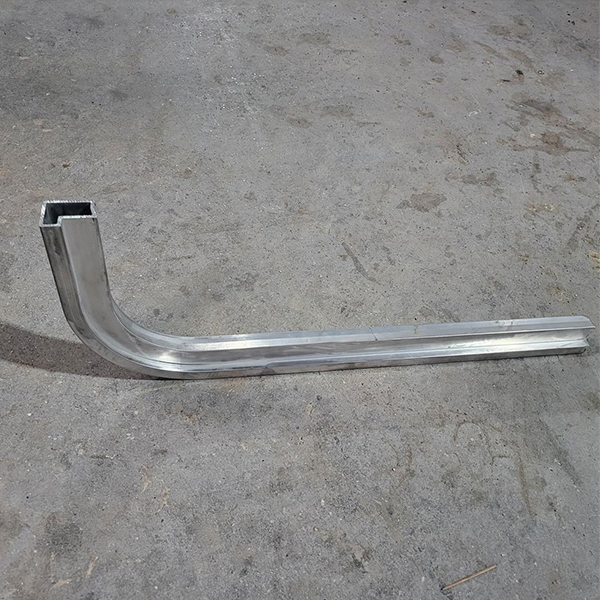
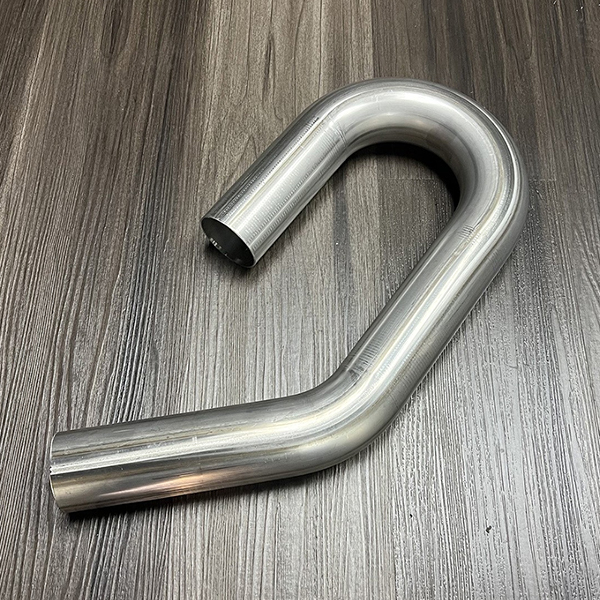
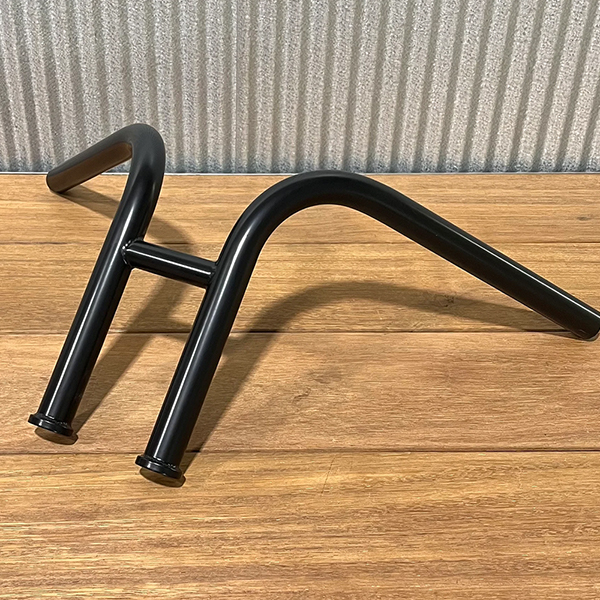
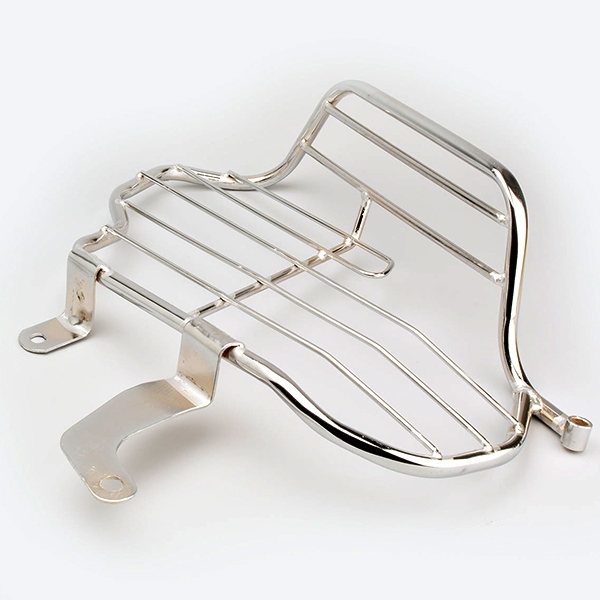
Custom 3D Bending Solutions

  • • Based on customer drawings
  • • Traditional & free-form 3D bending
  • • Supports tube OD 6–60 mm
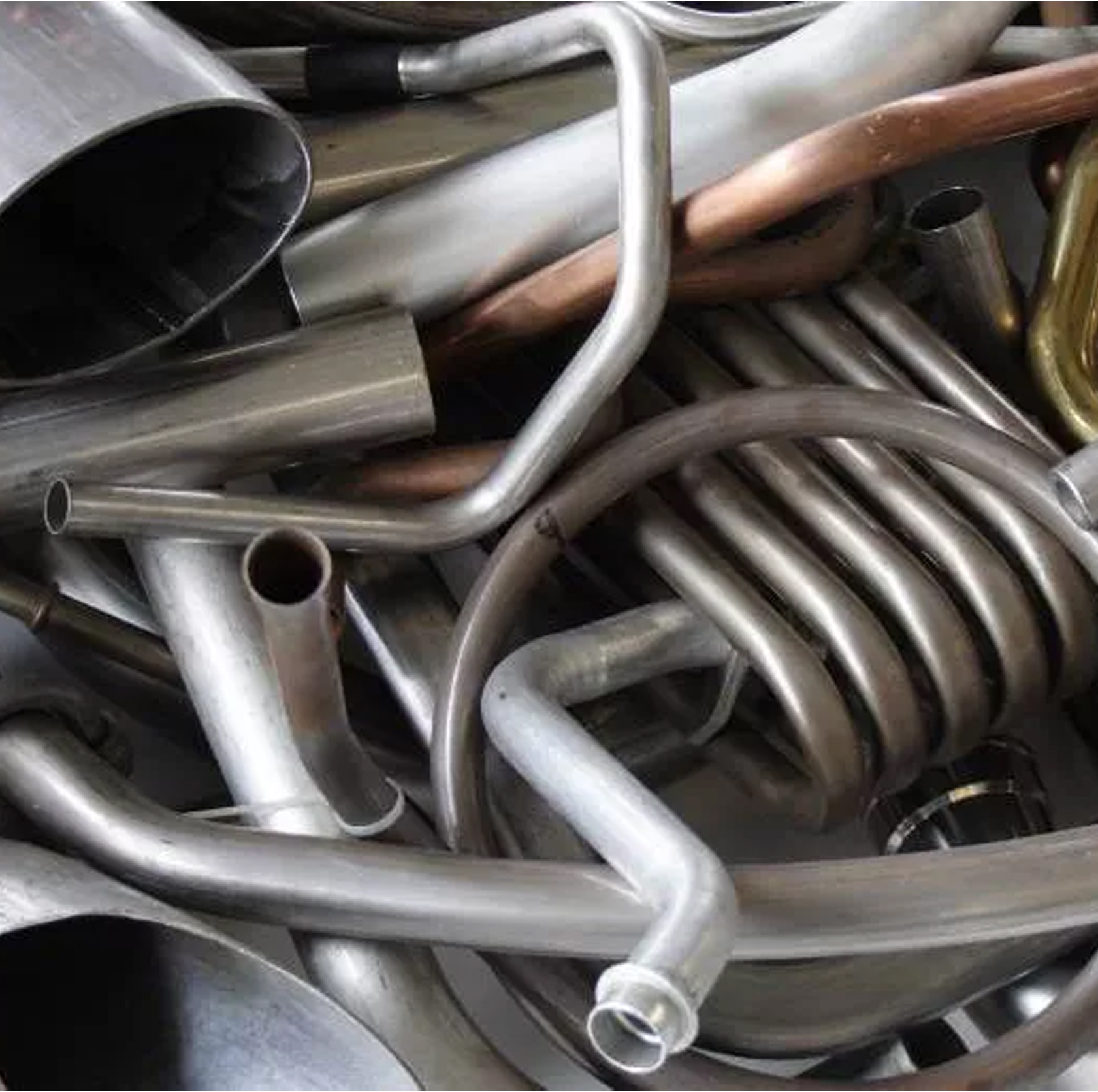
  • • Complex curves & custom shapes

Precision CNC Manufacturing

  • • Angle accuracy up to ±0.5°
  • • Repeatability within ±0.2 mm
  • • Smooth and consistent bending quality
  • • Stable tolerance control

Wide Material Coverage

  • • Stainless steel, aluminum, alloy steel, copper, etc.
  • • Wall thickness 0.5–5.0 mm
  • • Small-radius & multi-radius bending
  • • Length up to 3000 mm

Cost-Optimized Engineering

  • • Manufacturability analysis (DFM)
  • • Reduce material waste & process steps
  • • 5%–15% cost reduction through optimization
  • • Improve production efficiency
  • • One-stop service: in-house cutting, welding, finishing and coating

Low MOQ & Flexibility

  • • Samples → small batch → mass production
  • • MOQ as low as 1 pc
  • • Fast adjustment for urgent orders
  • • Stable capacity for repeat projects

Fast & Reliable Delivery

  • • Sample in 3–10 days
  • • Production in 10–30 days
  • • Worldwide shipping through multiple logistics partners
  • • Supports EXW, FCA, FOB, DAP, and DDP terms

We make your idea real.

Powerful Tube Bending Capability

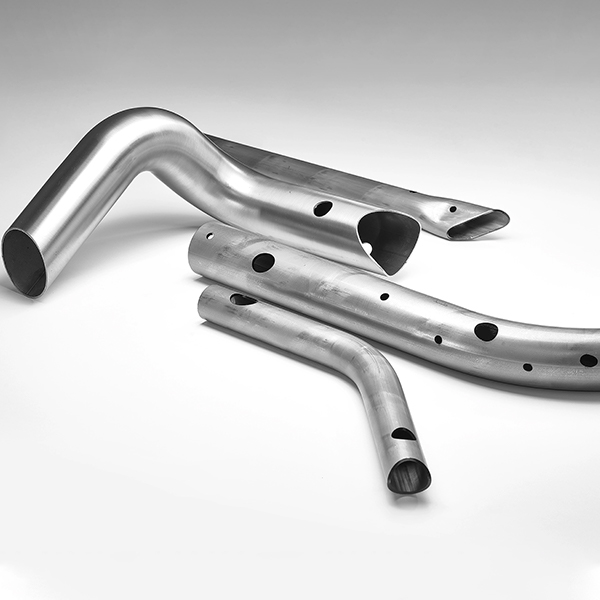
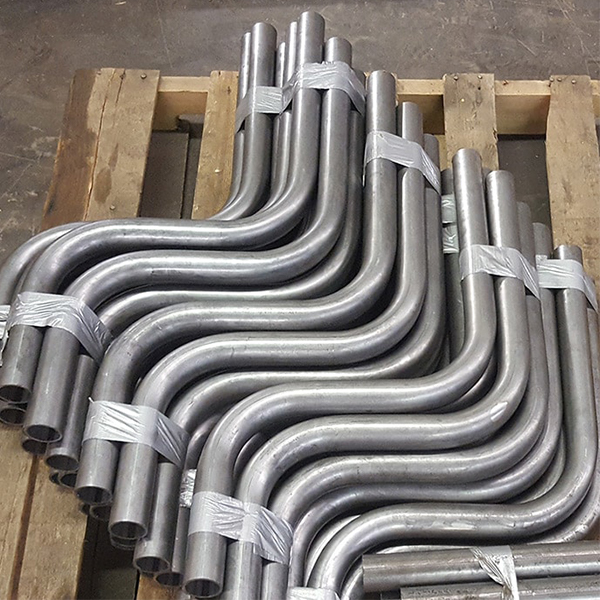
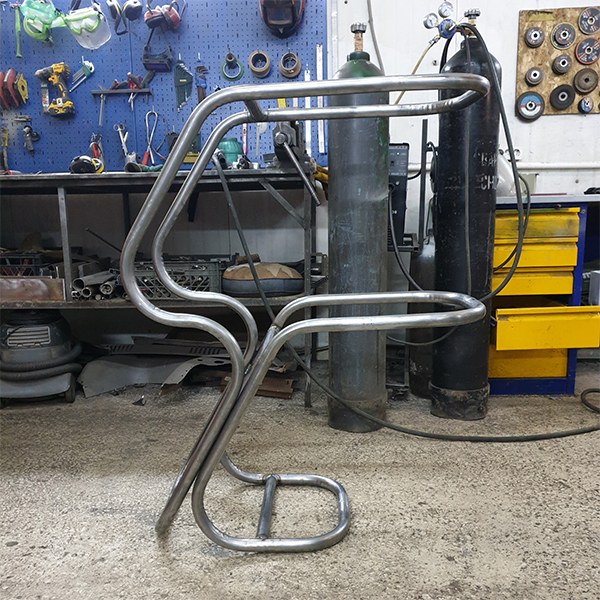
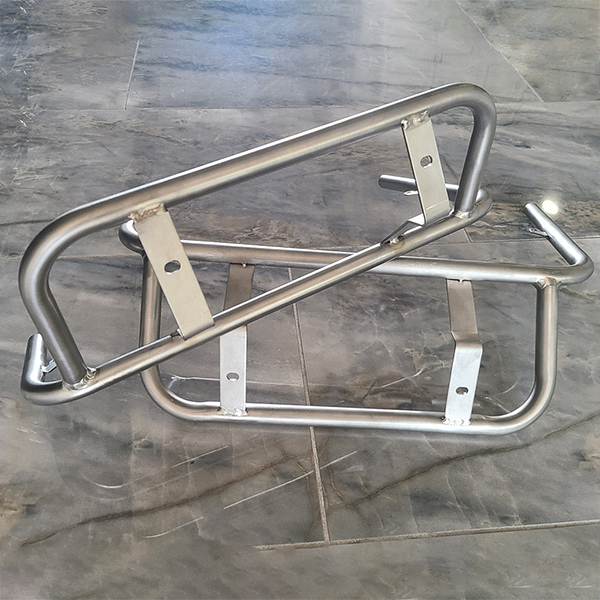
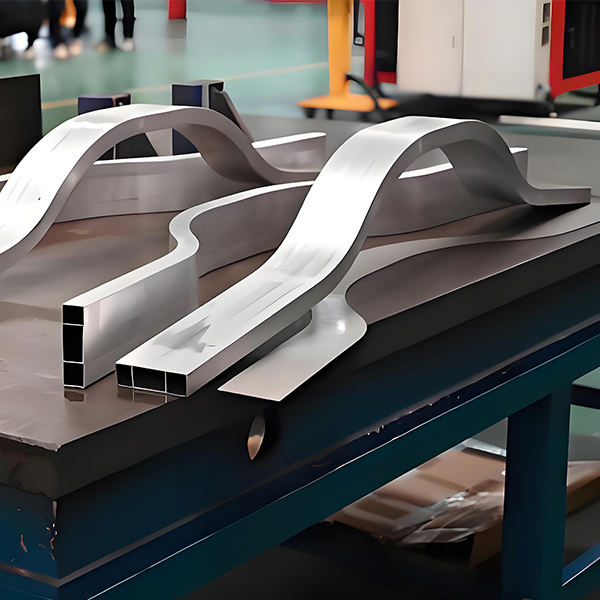
Whether you need traditional 3D servo bending, free-form 3D bending, or custom complex tube geometries, our precision tube bending service and tube fabrication can handle all requirements with accuracy and consistency.

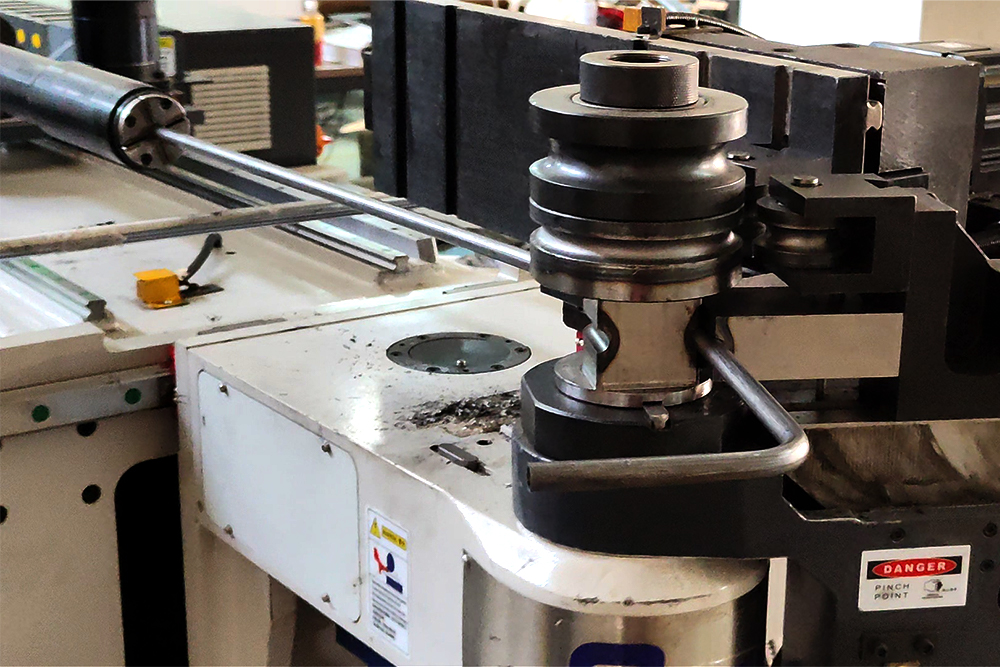
  • Traditional 3D Servo Tube Bending
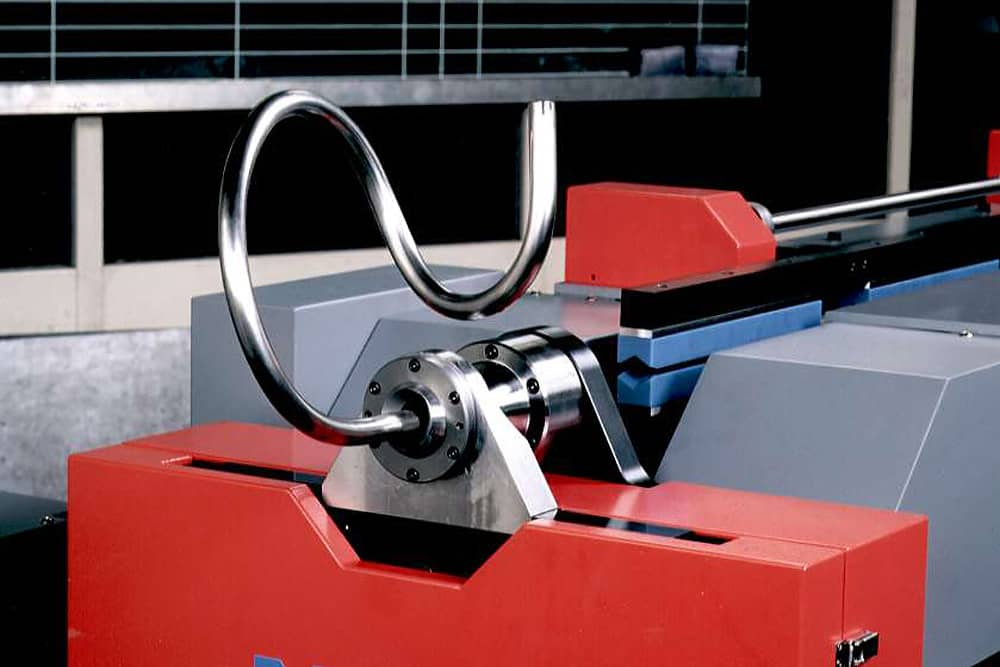
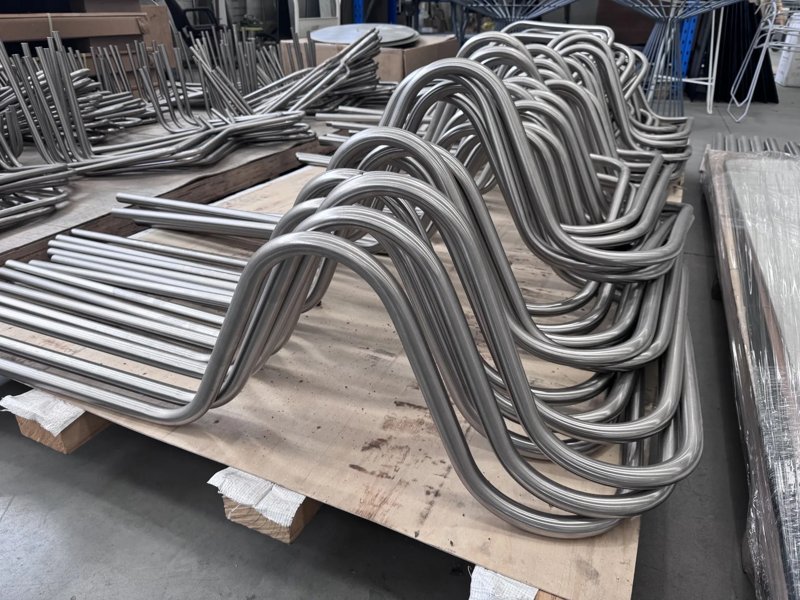
  • 3D Free-Form Tube Bending

Our CNC Tube Forming Equipment

Traditional vs. Free-Form 3D Tube Bending:
Which Process Fits Your Needs?

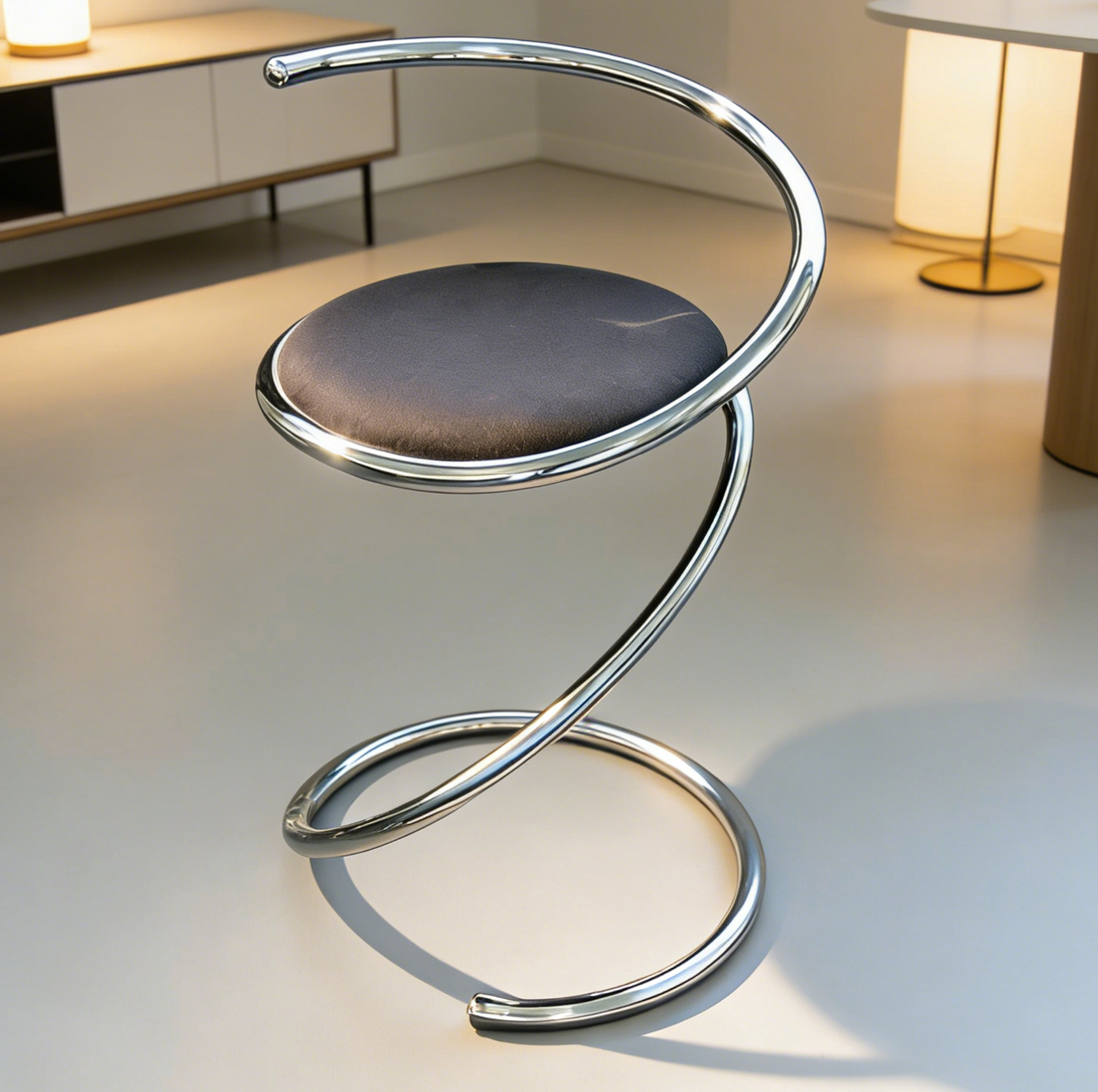
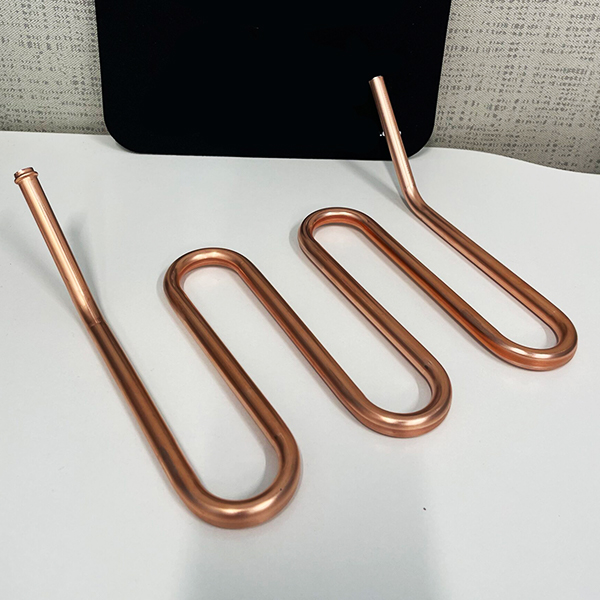
Free-form bending is ideal for multi-radius curves, smooth transitions, flexible shapes, prototypes, and customized metal tube designs.

3D free-form bending

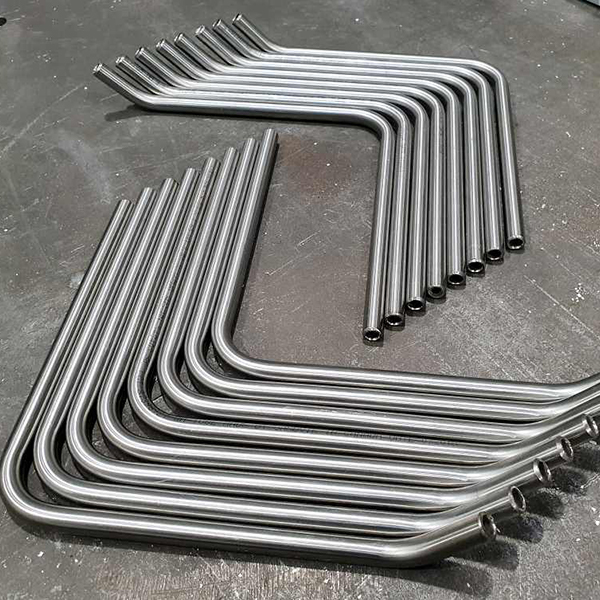
Traditional 3D bending is ideal for repeatable, high-accuracy bends with standard radii in medium to high-volume production.

Traditional 3D bending

Choose traditional bending for repeatability and standard radii; choose free-form bending for variable curves, prototypes, and flexible shapes. Match your geometry with each process advantage.

Choosing the right process

Built with Precision
Trusted by Industries

Explore our project portfolio to see how ZhongXin Precision Sheet Metal delivers high-quality results for clients worldwide. From precision laser cutting to complex metal assemblies, these case studies showcase our technical capabilities and manufacturing excellence.

What Our Clients Say?

Trusted by leading manufacturers worldwide for precision and reliability

Michael R

Manufacturing Manager (USA, Fitness Equipment)

“We order stainless-steel bent tubes (Ø32 × 1.5 mm) for our gym equipment frames. ZhongXin keeps every bend within ±0.3 mm, even on long parts. Consistency is excellent, and our assembly time has dropped significantly since working with them.”

Johannes K.

Product Engineer (Germany, Industrial Machinery)

“Our project required variable-radius free-form bending on 304 stainless tubes. ZhongXin delivered smooth transitions with zero wrinkling and perfectly matched our 3D CAD data. Their technical capability is clearly above average.”

Luca P

Purchasing Director (Italy, Furniture Manufacturer)

“We needed scratch-free tight-radius bends (R45) on aluminum tubes used for premium furniture. ZhongXin delivered flawless surfaces and accurate angles. Much better than our previous supplier in Europe.”

Daniel S

R&D Manager (Australia, Automotive Accessories)

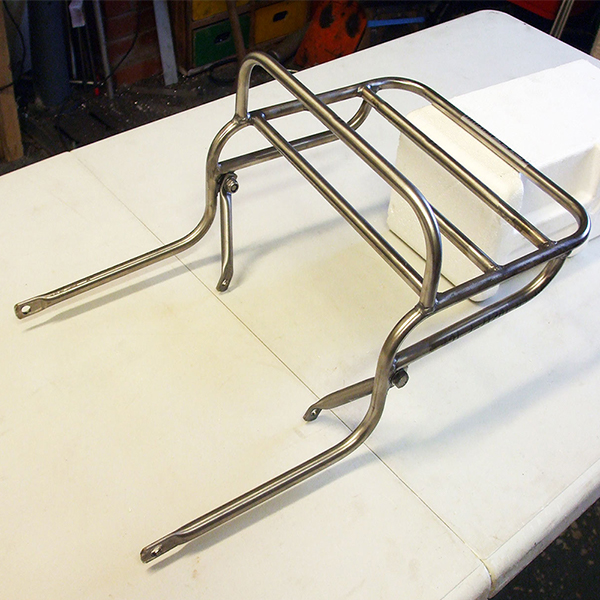
“ZhongXin helped us redesign several bent components for our vehicle racks. By adjusting tube geometry, they reduced welding points and material waste. Cost dropped by nearly 12% while strength improved.”

David H.

Operations Supervisor (UK, Outdoor Products)

“We purchase 1,500–3,000 bent parts per batch. ZhongXin maintains stable bending angles and excellent symmetry. Very few defects, and deliveries are always on time. A dependable long-term partner.”

Sophie M.

Project Lead (France, Medical Equipment)

“Our frames need perfectly mirrored left/right bent tubes. ZhongXin delivered pairs that matched flawlessly without any manual correction. Their attention to detail is impressive.”

Frequently Asked Questions About Our Tube Bending Service

We are a tube bending company in Zhongshan, Guangdong, China — a manufacturer and supplier, not a trading company. Your drawing goes directly to our own engineering and production teams, and the part is made in our own workshop — there is no middle layer between you and the people who build it. We can arrange sea or air freight delivery to most countries and regions worldwide, so you can work with us directly from your side.

Stainless steel, aluminium, alloy steel and copper. The material affects springback, whether a mandrel is needed, and the minimum bend radius.

Round, square, oval and rectangular tubing, plus custom profiles.

How tight a bend can go depends on the tube, so the bend is often expressed as a multiple of the tube outside diameter: 1D, 1.5D, 2D, and so on. A 1D bend — where the centerline radius equals the tube OD — is considered a very tight bend and may require a multi-ball mandrel and more demanding tooling, depending on the tube and material. Bends in the 1.5D to 3D range are common.

The actual minimum radius depends on the tube and material. Thinner walls and softer materials can push the minimum radius out. For especially demanding materials or very tight radii, we may also consider adjusting the forming temperature as part of the process, where appropriate for the material and application. Send us the outside diameter, wall thickness and material and we will confirm what your part needs.

Tube bending forms the tube around a die, which is what makes a tight radius possible — typically 1.5D to 5D — and it works in three dimensions, so a part can carry compound bends on different planes. Tube rolling feeds the tube through rollers to build a large sweeping radius, generally 7D and up, and is normally used for a single-plane sweep. Tight and accurate: bending. Long and smooth: rolling. If you are not sure which one your part calls for, send the drawing and the radius you need and we will tell you which process fits.

We control it through test bends and parameter adjustment rather than relying on a theoretical value alone. We bend a first part, measure it, and adjust the parameters until the angle holds.

But springback is never perfectly repeatable, because tube material and its properties can vary. On welded tube, the weld seam can also affect bending behavior. If the seam is not consistently positioned in the machine from one piece to the next, it can add variation between parts. Using more consistent tube specifications, or controlling seam orientation where needed, can reduce that variation. Seamless tube can also remove the weld seam as one source of variation, although it does not eliminate springback altogether.

Better tube does cost more, though, so we would rather help you match the material to what the part actually has to do: that keeps your cost where it belongs and your product competitive in its market.

The standard approach is a mandrel, proper lubrication, suitable tooling, controlled bending speed and a wiper die where required.

If wrinkling still appears, we review the cause rather than forcing the part through. Depending on the application, solutions may include adjusting the tooling setup, changing the material specification, or modifying the bending parameters.

For some demanding bends, especially where the radius is very tight, we can also discuss tooling options that control material flow and allow deformation to occur in a predictable way. The goal is to avoid uncontrolled wrinkling that could make the part unstable or unusable, while matching the forming method to the actual requirements of the application.

Mandrel tube bending is our default on most jobs, because it provides better internal support and helps maintain the tube cross-section through the bend. The exceptions are narrow: where the cosmetic requirement is relaxed, the bend radius is generous, and a trial bend shows the cross-section holding its shape well, a part may be bent without one. Free-form bending cannot use a mandrel. Whether a specific part needs a mandrel is settled by a trial bend rather than by calculation alone.

Yes — we run as a one-stop metal fabrication shop. Besides bending, we handle laser cutting, welding, grinding, polishing, plating and powder coating. A part that needs several of these can be quoted as one order and shipped as one batch, rather than being split between suppliers and re-checked for fit at every handover.

A 2D drawing and, where available, a 3D model are helpful, especially for parts with multiple bends or bends on different planes. You do not need to provide every detail at the start — send us what you have, and we will ask for any missing information needed to quote accurately.

Useful information includes the tube material, outside diameter and wall thickness, bend angles, centerline radius and, for multi-plane parts, the rotation between bends. Also tell us the surface finish you want, your tolerance requirements and the quantity. Bend radius is especially important: the tighter it is relative to the tube diameter, the more it can affect tooling and process requirements.

We work in SolidWorks and AutoCAD. We accept STEP, IGES, DWG, DXF and PDF files. If you have a SolidWorks part file or another 3D model, that is also useful for checking the geometry. If all you have is a dimensioned sketch, send that — our engineers will review it and confirm the details before production.

Samples are charged, and the sample fee is included in the quotation together with the rest of the order. Payment is by T/T. Sample orders are usually paid in full in advance, and bulk orders typically start with a 50% deposit — the exact terms are confirmed in the quotation for each project.

We use mandrel support, matched tooling and test bends to control cross-section deformation during bending. The amount of ovality and wall deformation depends on the tube diameter, wall thickness, material and bend radius. If these limits are critical to your part, specify them on the drawing and we will review the requirements before production.