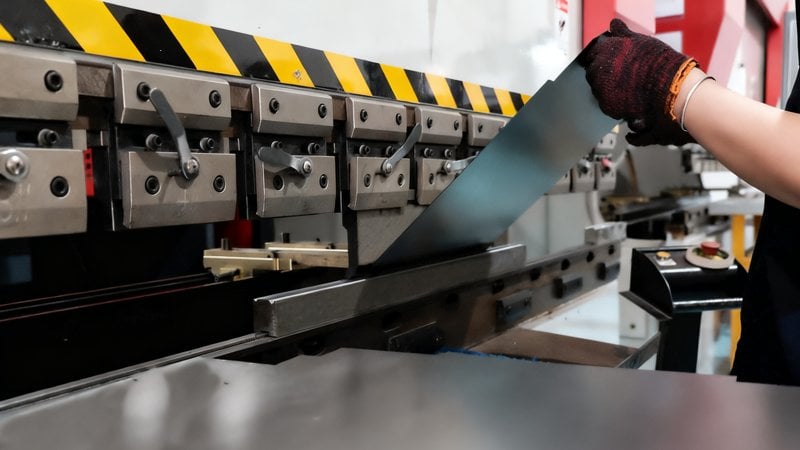
Bending Capabilities Overview
Our sheet metal bending process is designed to handle a wide range of part geometries, from simple angle bends to complex multi-flange structures, with controlled angles and consistent dimensional results for downstream assembly. We also take on precision metal bending and custom aluminum bending, from prototype to production. We bend metal sheet in mild steel, stainless steel, aluminum etc.
CNC Bending Accuracy
- • CNC-controlled press brake bending
- • Typical angle tolerance: ±0.5°, stable across batches.
Large Part Handling
- • Maximum bending length on our standard press brakes: up to 3000 mm
- • Suitable for large panels and enclosure parts
Thickness Coverage
- • Typical thickness range: 0.5 – 6.0 mm
- • Optimized bending strategy by material and thickness
Material Versatility
- • Bending aluminum sheet, stainless steel and mild steel — we also bend copper sheet
- • Aluminum bending in grades 3003, 5005, 5052, 6061 and 6061-T6
- • Galvanized and pre-coated sheets supported
Complex Bend Geometry
- • Multi-flange parts, boxes, channels, enclosures
- • Tooling and bend sequence optimized per design
Engineering-Level Support
- • Bend allowance and radius reviewed when required
- • Manufacturing feedback to improve fit and yield
- • Design and material choices reviewed to reduce unit cost
Suitable for projects where bending accuracy, repeatability, and engineering support are critical.
We make your idea real.

CNC Bending Capability:
CNC press brake bending — TRUMPF TruBend (Germany):
- Maximum bending length on our standard press brakes: up to 3000 mm
- Typical angle tolerance: ±0.5°
- Sheet metal bending calculation and bend radius reviewed per part
Material thickness:
- Mild steel: up to 6.0 mm
- Stainless steel: up to 4.0 mm
- Aluminium: up to 6.0 mm
Material Types:
- Mild steel、Galvanised steel、Stainless steel、Zintec、Aluminium
What Matters in Sheet Metal Bending
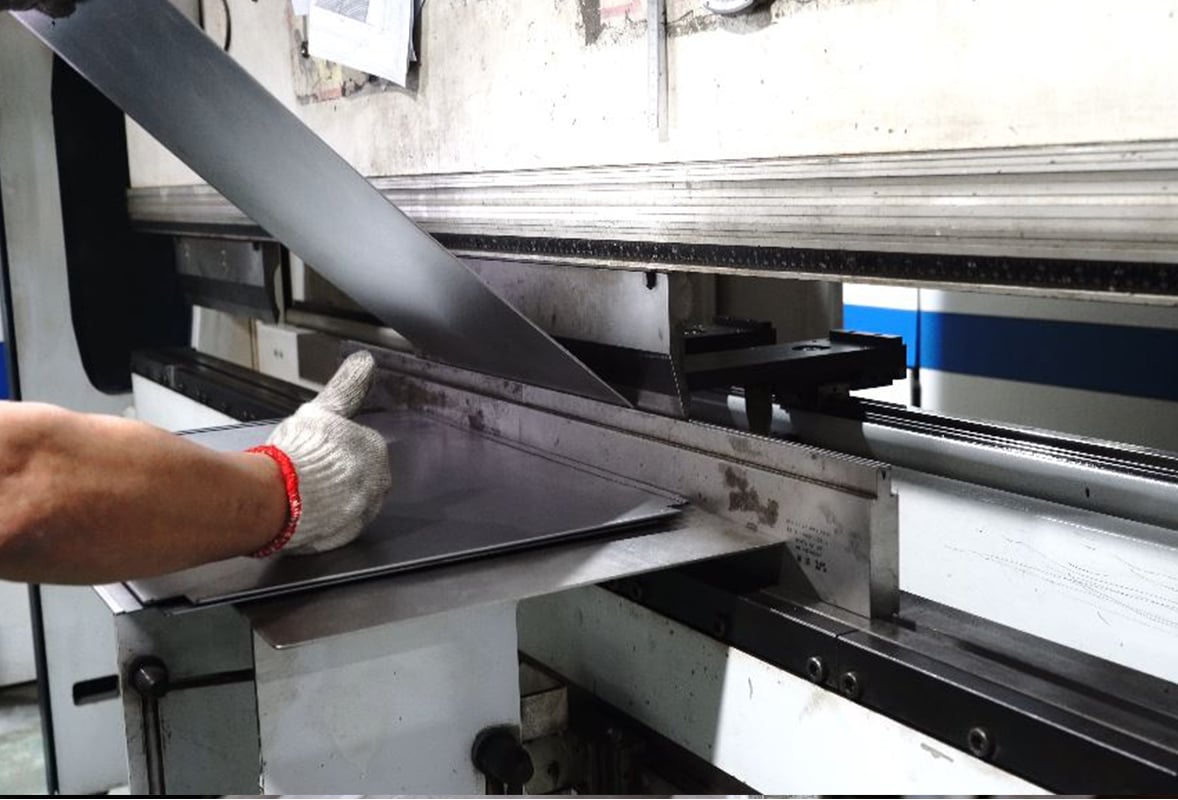
How bending accuracy is controlled, why ±0.5° matters in assembly, and what causes angle instability.
CNC Sheet Metal Bending: Accuracy and Control
CNC bending accuracy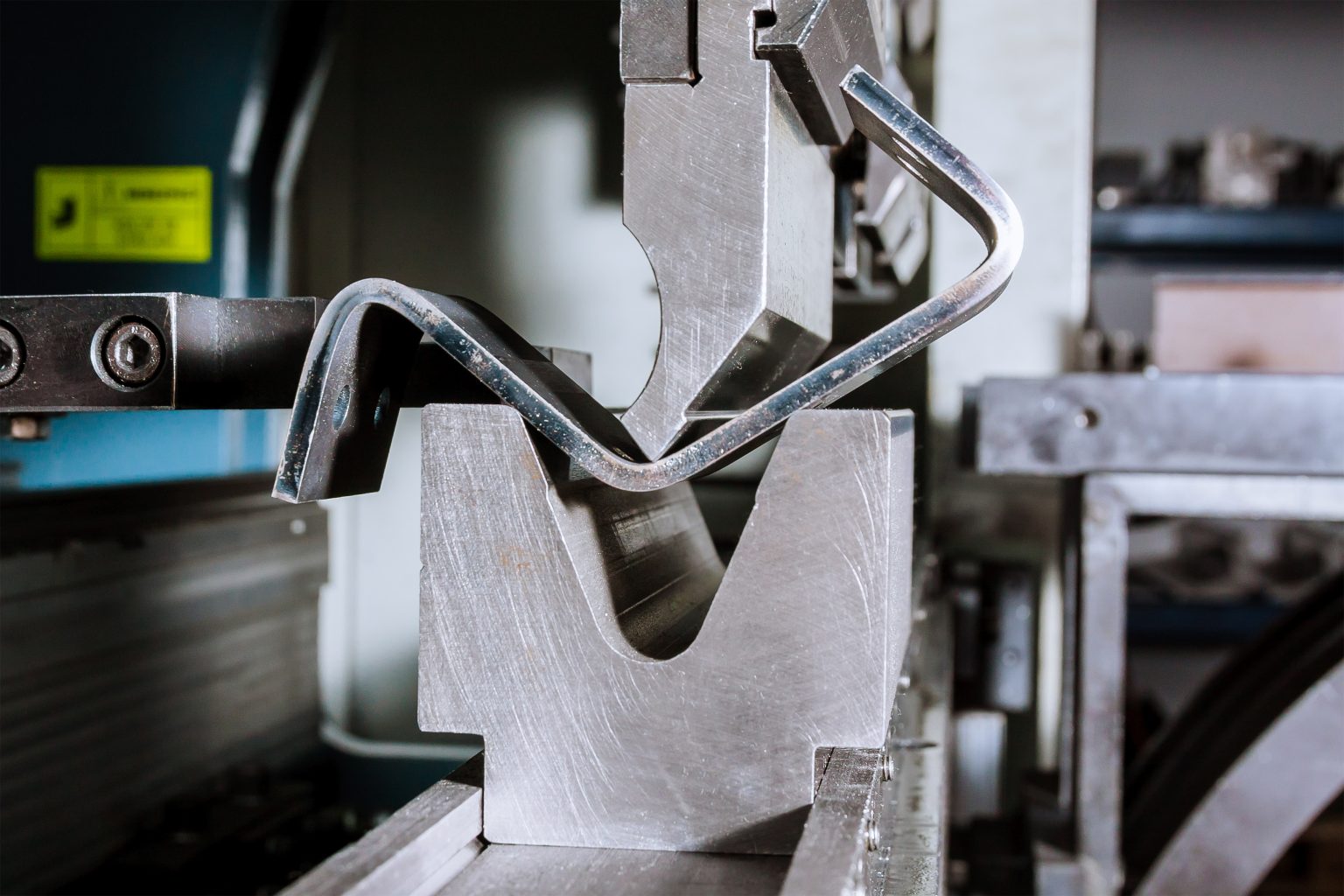
Complex, large, and multi-step bending requires more than equipment — it demands process depth and production stability.
Complex Bending Requires Capability
Complex bending capability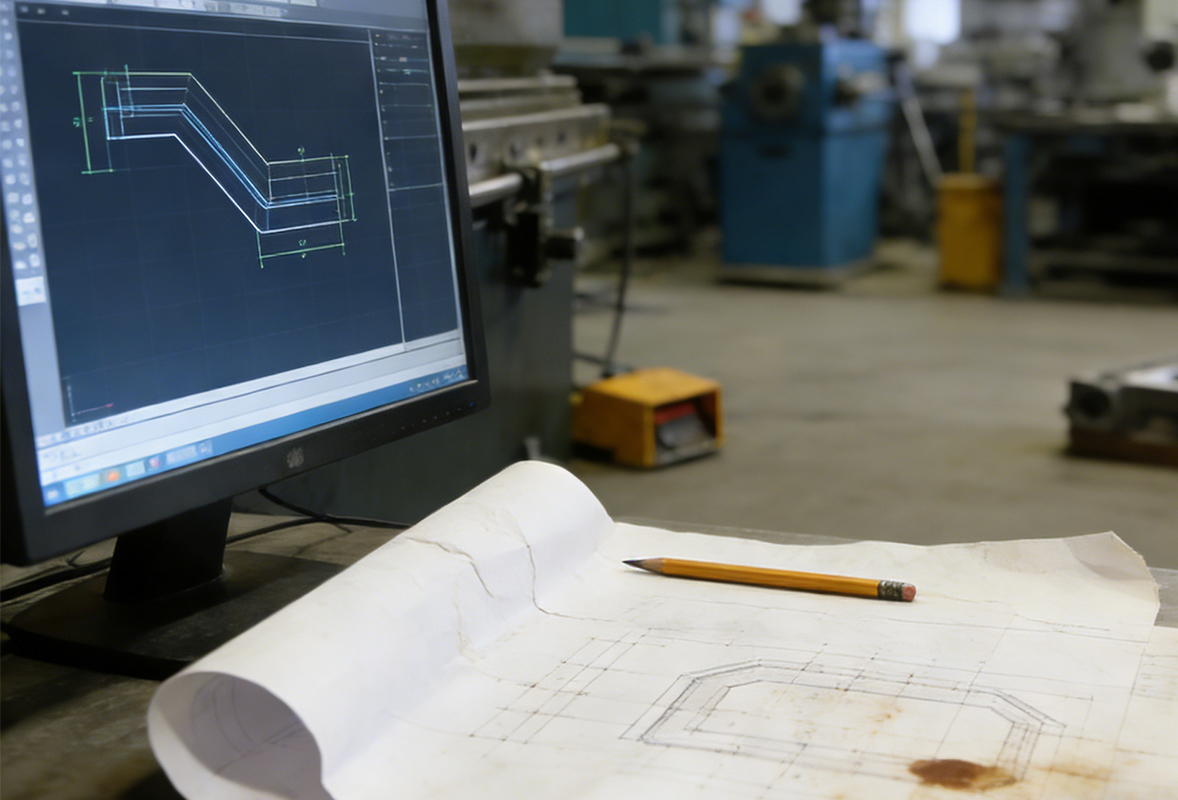
Small design decisions in radius, sequencing, and geometry can significantly reduce cost and rework.
Design Decisions That Reduce Bending Cost
Reduce bending costSheet Metal Bending & Folding Projects
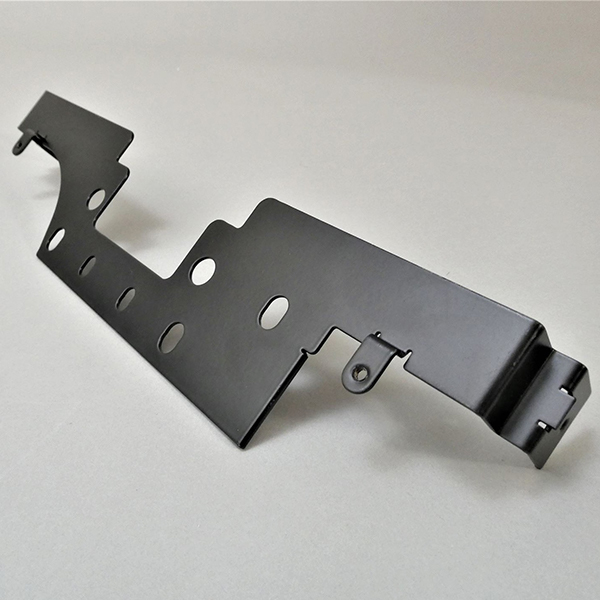
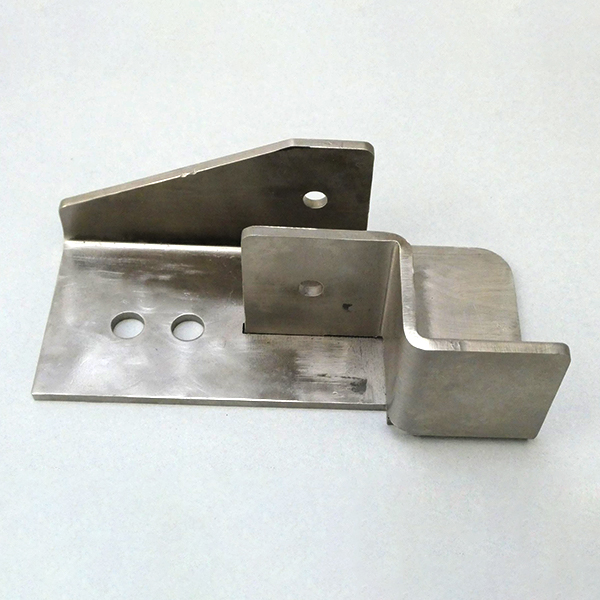
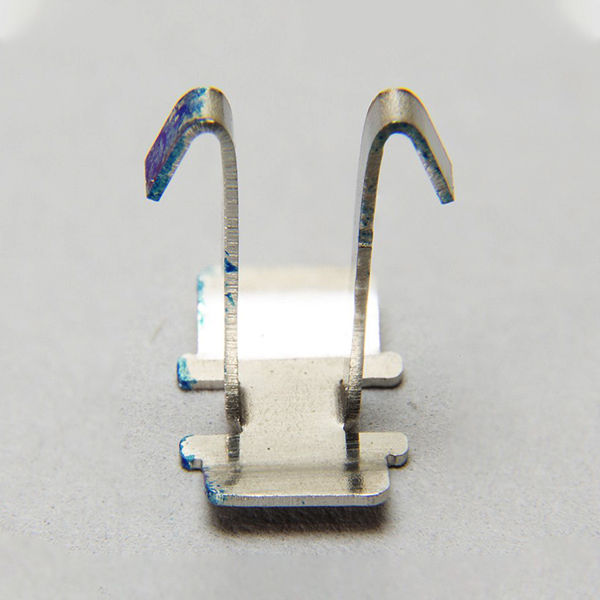
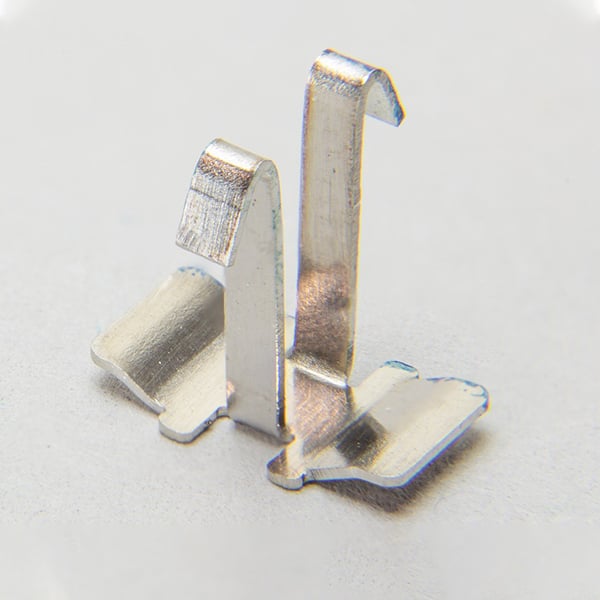
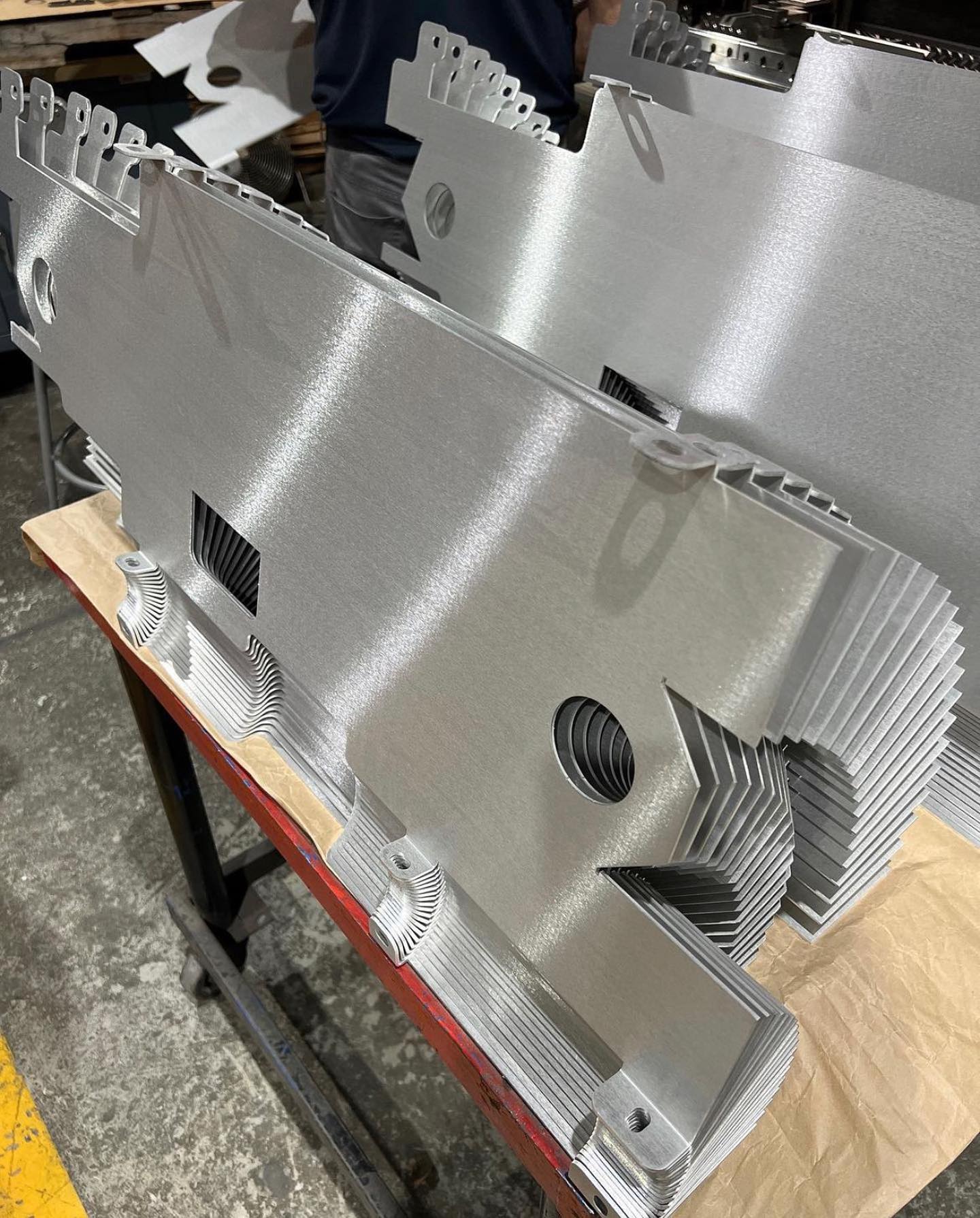
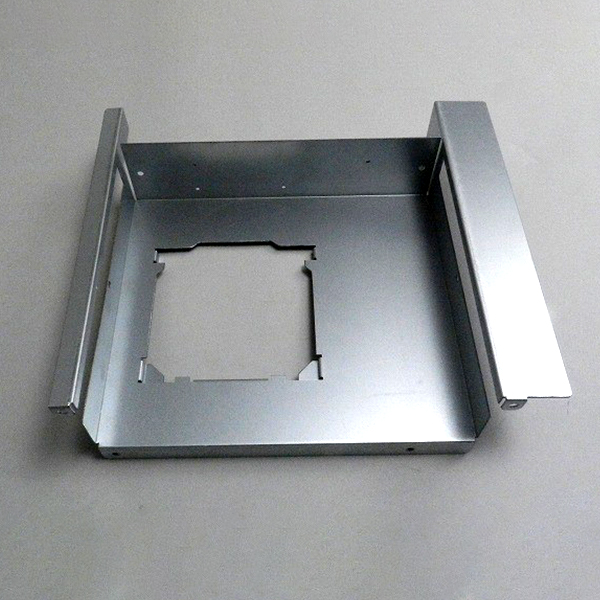
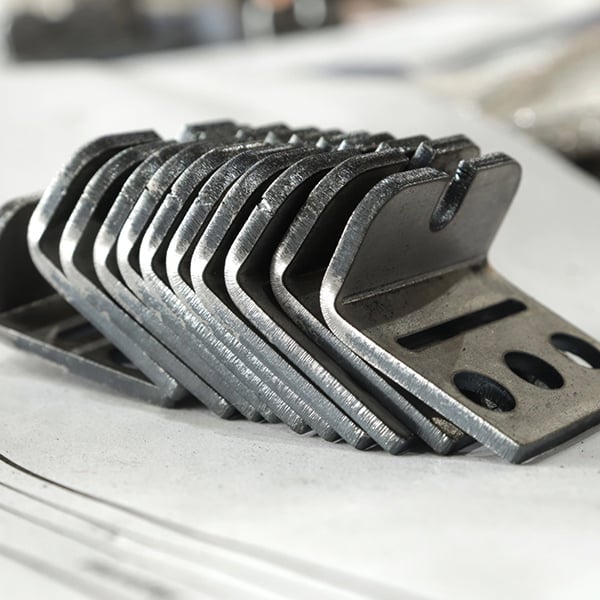
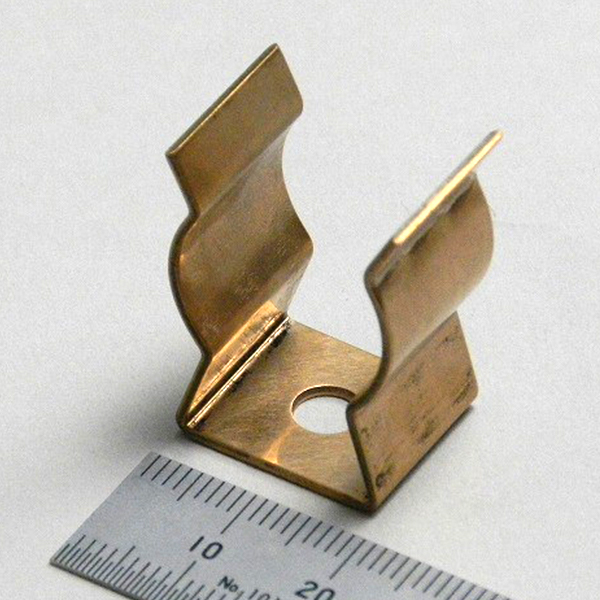
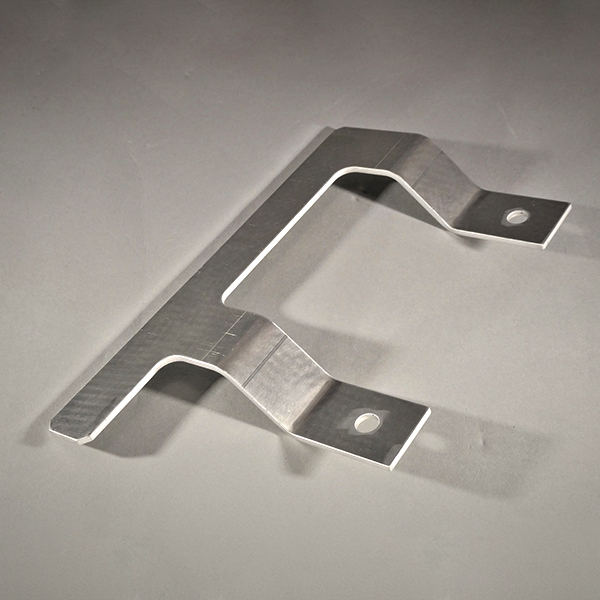
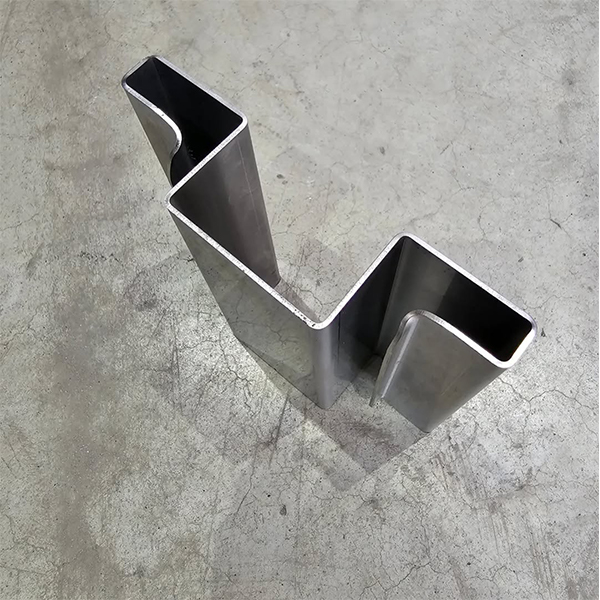
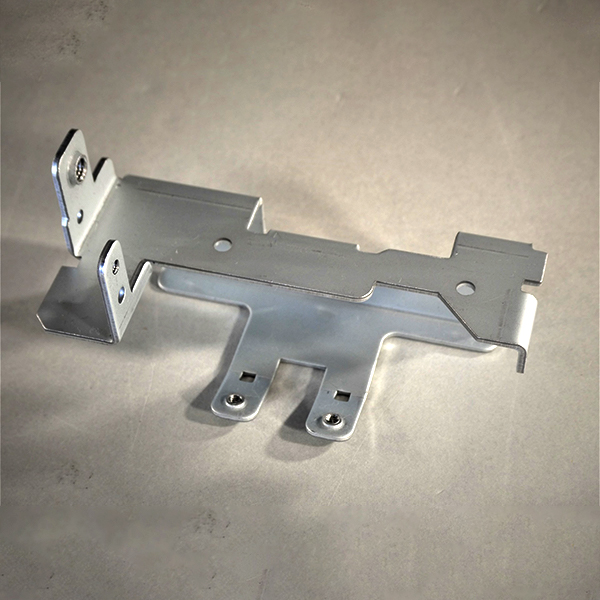
A selection of sheet metal folding and bending projects manufactured to customer drawings, covering bending stainless steel, aluminum and mild steel parts. These examples cover different materials, part sizes, and bend complexities, demonstrating consistent angle control, dimensional accuracy, and assembly-ready results.
What Our Clients Say?
Trusted by leading manufacturers worldwide for precision and reliability

Lukas M.
“Several parts required multiple bends and tight clearances. The bending sequence was handled properly, and the parts fit together without additional adjustment.”

Marco T.
“The team understood the bending constraints well and provided practical feedback on bend radii and allowances. This helped reduce rework and improve overall yield.”

Daniel S.
“Parts arrived ready for assembly with minimal fitting required. Hole alignment and bend accuracy were well controlled, even on larger panels.”

David H.
“We purchase 1,500–3,000 bent parts per batch. ZhongXin maintains stable bending angles and excellent symmetry. Very few defects, and deliveries are always on time. A dependable long-term partner.”
Frequently Asked Questions About Our Sheet Metal Bending Service
We are a sheet metal fabrication factory located in Zhongshan, Guangdong, China, not a trading company. We have our own sheet metal workshop, engineering team, and production staff, and directly handle custom sheet metal fabrication projects for customers worldwide.
Our capabilities include laser cutting, CNC bending, welding, grinding and surface finishing. We use TRUMPF equipment for bending and laser cutting, allowing us to program and manufacture parts directly from customer drawings. Alongside sheet metal bending, we also provide a dedicated tube bending service.
For parts that exceed our in-house equipment capacity or require special processes, we can also work with qualified specialist suppliers when needed. This allows us to handle the complete project without limiting a customer's design to the capacity of a single machine.
There is no single minimum value that applies to all materials and sheet thicknesses. The achievable bend radius and flange size depend on factors such as material, sheet thickness, bend radius, V-die width, tooling, and bend direction.
For standard bending work, we select suitable tooling and bending parameters according to the material and thickness. If a design includes a very small flange or tight inside bend radius, we evaluate its manufacturability before production.
For some very narrow flanges or structures requiring higher dimensional accuracy, we do not necessarily rely on a single bending operation. Depending on the part geometry, we can develop a multi-step process using different bending, forming, or secondary operations to achieve the required final dimensions more accurately.
Therefore, whether a particular dimension can be manufactured is not determined simply by the single-operation capability of a press brake. We consider the complete part geometry and required dimensions when selecting the manufacturing process.
Our standard CNC press brakes handle sheet thicknesses from 0.5 to 6.0 mm, with bending lengths up to 3000 mm. For larger or heavier parts — bending lengths over 4 meters, or steel plate up to approximately 20 mm — we work with qualified partner equipment. This lets us bend plate that is too large or too thick for our own press brakes. Together, our own machines and our partner network cover a wide range of sheet metal bending applications, from thin sheet to heavy-gauge material, including bent sheet metal for large panels and enclosures.
Maximum thickness and bending length are not independent specifications. For example, bending a 20 mm steel plate over 4 meters requires significantly more bending capacity than bending a shorter part. The required capacity also changes with the material, bend length, angle, and inside bend radius.
We therefore evaluate the required capacity based on the material, sheet thickness, bend length, bend angle, and inside bend radius, and then select suitable equipment for the job.
If a part exceeds our in-house equipment capacity but is technically suitable for subcontracted processing, we can also coordinate the appropriate equipment and supplier to complete the work.
We mainly use CNC press brake bending for sheet bending and sheet metal forming, selecting the appropriate tooling, V-die width, and bending sequence according to the part geometry.
We can manufacture standard 90° bends, multiple-angle bends, U-shapes, Z-shapes, boxes, and parts requiring multiple consecutive bends.
For complex parts, we review the bending sequence, tooling, positioning method, and potential interference between bends before production. Where necessary, we perform a trial bend or first-article verification before moving into batch production.
For special geometries where conventional bending is not the most suitable approach, we can also develop an alternative forming or secondary-process solution rather than forcing the part into a single bending method.
Ideally, please provide 2D engineering drawings and a 3D model.
The 2D drawing allows us to confirm finished dimensions, material, sheet thickness, tolerances, surface finish, and other technical requirements. The 3D model helps us understand the overall geometry, bend relationships, and assembly structure.
If you only have a 2D drawing, you can still send it to us for evaluation. For simple parts, we can usually quote as long as the key dimensions and manufacturing requirements are clearly specified.
If you already have a flat pattern, you can provide it as well. However, we normally recalculate the flat pattern based on the final part dimensions, material, sheet thickness, bend radius, and actual manufacturing conditions, rather than simply producing the part from the supplied flat pattern.
If you cannot provide all of this information, that is not a problem — contact us first and we will tell you exactly which details we need.
In addition to sheet metal bending, we can provide laser cutting, punching and stamping, welding (including MIG and TIG welding), grinding, powder coating, stainless steel fabrication, and other supporting processes.
For example, a complete sheet metal enclosure can go through laser cutting, bending, welding, grinding, and powder coating, followed by assembly, as part of one coordinated project.
We can provide bending as a standalone service or manufacture complete sheet metal parts according to the customer's drawings.
For special materials, specialized surface finishes, or processes beyond our in-house equipment capabilities, we can also work with qualified specialist suppliers and coordinate the overall quality and delivery.
Bending tolerances depend on the material, sheet thickness, part dimensions, bend length, structural complexity, and required tolerance.
For standard sheet metal bending, we can typically control the bend angle to approximately ±0.5°. Dimensional tolerances are determined according to the part size and geometry. For critical dimensions with tighter requirements, we conduct a separate process evaluation and inspection.
Under suitable material, size, and processing conditions, the accuracy of certain critical dimensions can reach approximately ±0.02 mm (±0.02 mm / 2 hundredths of a millimeter). This does not mean that every sheet metal bending dimension can be held to this level. For standard sheet metal parts, we establish realistic tolerances according to the actual manufacturing conditions, while tighter controls and inspection methods are used for critical dimensions.
For high-precision parts, we use trial bending, first-article measurement, bend compensation, in-process inspection, and final dimensional inspection to control critical dimensions.
Lead time depends on the order quantity, material, part complexity, number of bends, and whether laser cutting, welding, surface finishing, or other processes are included.
As a general reference:
Samples / prototypes: typically around 10 days
Production orders: typically around 30 days
These are typical lead times for standard projects, not fixed commitments for every order. Simple parts or projects using materials already in stock may be completed faster, while complex parts, multi-process projects, or orders requiring special materials or finishing may take longer.
Once the drawings, quantity, material, and technical requirements are confirmed, we will provide a specific delivery schedule based on the actual production plan. If you have a required delivery date, please let us know when requesting a quote so we can evaluate the schedule accordingly.
We can handle sheet metal bending projects ranging from single-piece prototypes and small batches to larger production runs.
If you need samples for dimensional or assembly verification, we can manufacture prototypes according to your drawings before moving into production.
For production orders, we calculate the cost based on factors such as quantity, material purchasing, production efficiency, and surface finishing requirements.
We therefore do not require customers to meet a high minimum order quantity. Pricing is evaluated according to the actual requirements of each project.
Yes.
We can manufacture complex sheet metal parts with multiple bends, different bending directions, short flanges, U-shaped structures, box structures, and multiple manufacturing operations, as well as prototypes and small-batch production.
For complex parts, we review the bending sequence, tooling, positioning method, and machine capacity before production, including potential interference with previously formed sections.
For particularly complex parts, we can carry out an engineering review and prototype production first, verify the dimensions and process, and then proceed with batch production. We also produce custom bent sheet metal and short runs of bent plates to customer drawings.
Springback, deformation, and cracking during bending are affected by factors such as material, sheet thickness, material strength, inside bend radius, V-die width, bend direction, and processing parameters.
For example, high-strength steel, stainless steel, and aluminum have different springback characteristics from mild steel. Thicker material and smaller bend radii also generally require greater process control.
We select appropriate tooling, V-die width, bending sequence, and processing parameters according to the material and part geometry, and adjust the process through trial bending and first-article inspection.
For parts with significant springback, we can adjust the bending depth and compensation parameters to bring the final angle closer to the drawing requirement. For materials that are more prone to cracking, we pay particular attention to bend direction, inside bend radius, and material condition.
Yes.
We can review customer sheet metal designs from a manufacturing perspective and provide basic DFM (Design for Manufacturing) feedback.
Our engineering team typically checks:
- Whether the material and sheet thickness are suitable
- Whether the inside bend radius is appropriate
- Whether the bend flange is large enough
- Whether holes and slots are positioned appropriately relative to bend lines
- Whether the bending sequence is feasible
- Whether there is any tooling interference
- Whether the design contains features that may cause deformation or cracking
- Whether the flat pattern is suitable for the actual manufacturing process
If a design is likely to significantly increase manufacturing difficulty, cost, or quality risk, we will discuss it with the customer before production and, where possible, suggest an alternative that maintains the function of the part while improving manufacturability.
You can provide your own flat pattern as a reference, but we normally do not manufacture directly from the supplied flat pattern without checking it.
The required flat pattern depends on the material, sheet thickness, bend radius, tooling, bending method, and actual manufacturing conditions. Even when the finished part dimensions are identical, different materials, equipment, or bending processes may require different developed dimensions.
We therefore recalculate the flat pattern based on the customer's required finished-part dimensions and adjust it according to the actual material and manufacturing process.
The goal is to ensure that the final bent part meets the drawing requirements, rather than simply keeping the customer's original flat pattern unchanged.