Industry Context
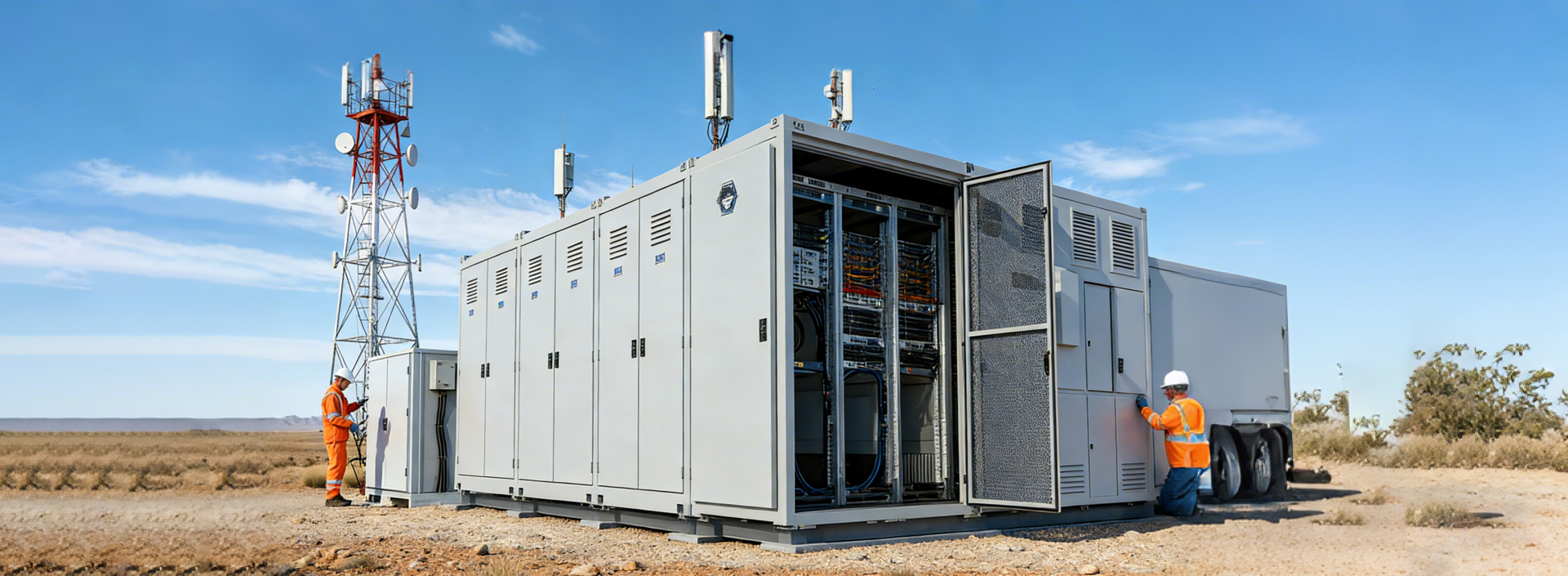
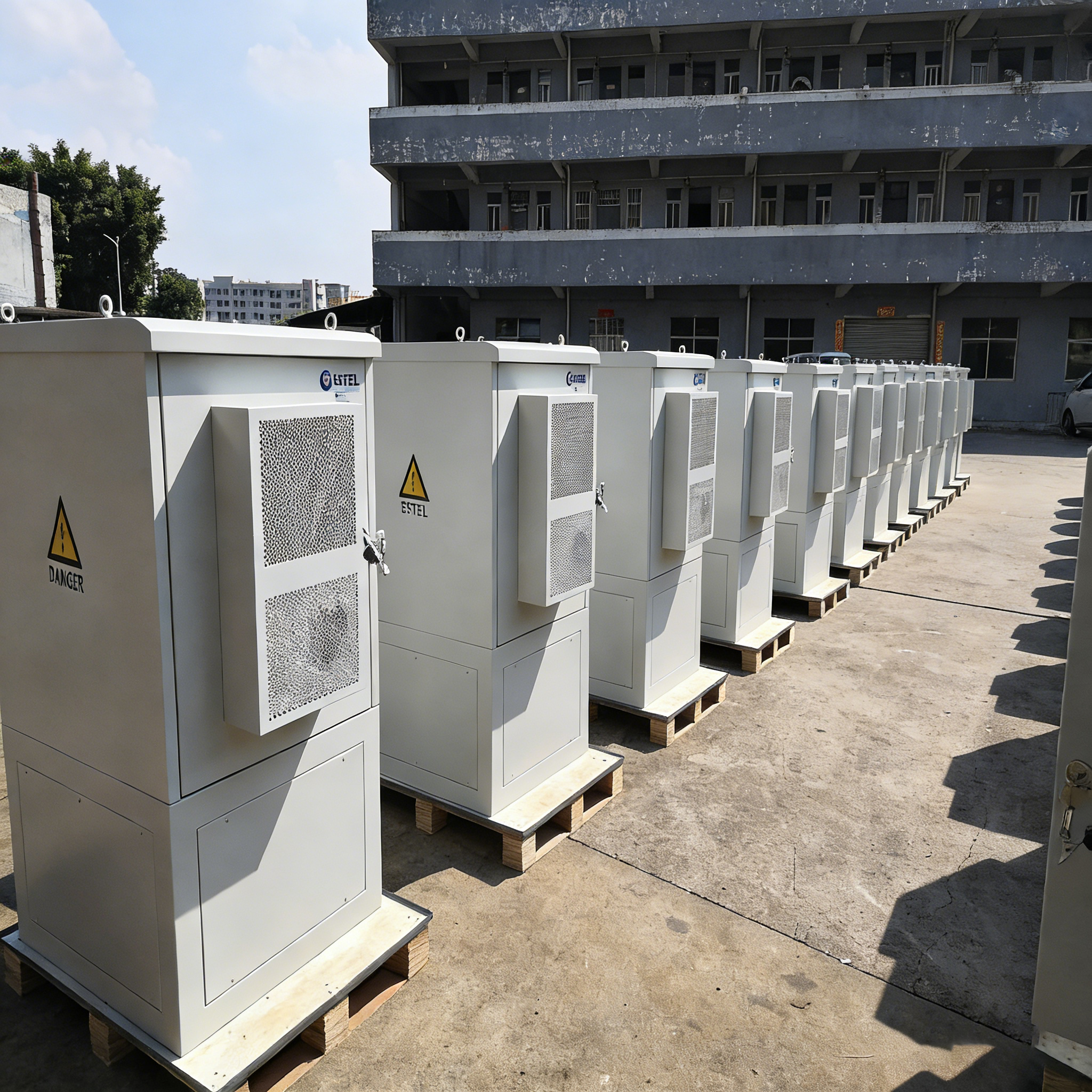
In telecommunications equipment, metal enclosures and structural components are used to house high-density electronic assemblies, support interface layouts, and protect internal systems during long-term operation.
These enclosures are typically designed around compact layouts with multiple interfaces, ventilation openings, and mounting points, requiring consistent geometry and repeatable fabrication across units.
Telecommunications equipment may be deployed in data centers, network rooms, or outdoor installations, where accessibility, airflow management, and structural stability directly affect installation efficiency and ongoing maintenance.
Key Manufacturing Challenges
High-density interface layouts
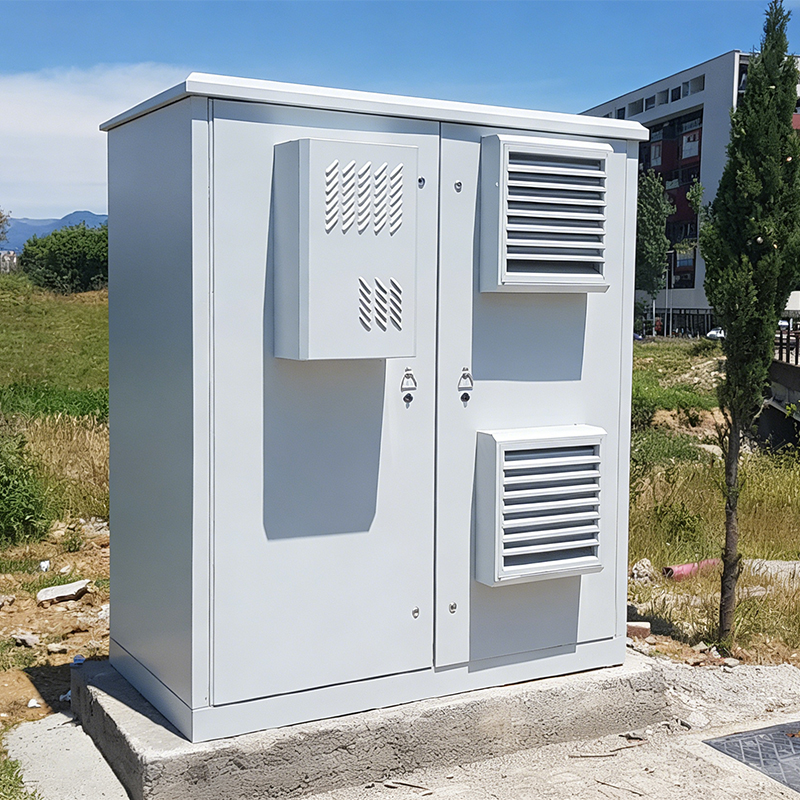
Telecommunications enclosures often require a large number of interfaces, cutouts, and mounting points within limited space. Maintaining consistent geometry across these dense layouts is critical for reliable installation.
Ventilation versus structural integrity
Effective airflow is essential for thermal management, but extensive ventilation openings can reduce structural stiffness. Balancing airflow requirements with enclosure strength is a common challenge.
Repeatability across production batches
Telecommunications equipment is frequently produced in multiple units. Dimensional consistency across batches is necessary to ensure predictable installation and interchangeability.
Accessibility for maintenance and upgrades
Enclosures must allow sufficient access for maintenance, cable management, and future upgrades. Poor access planning can increase service time and operational cost.
Surface durability and long-term use
Depending on deployment environment, enclosures must maintain surface quality and dimensional stability over extended periods of operation.
Our Approach
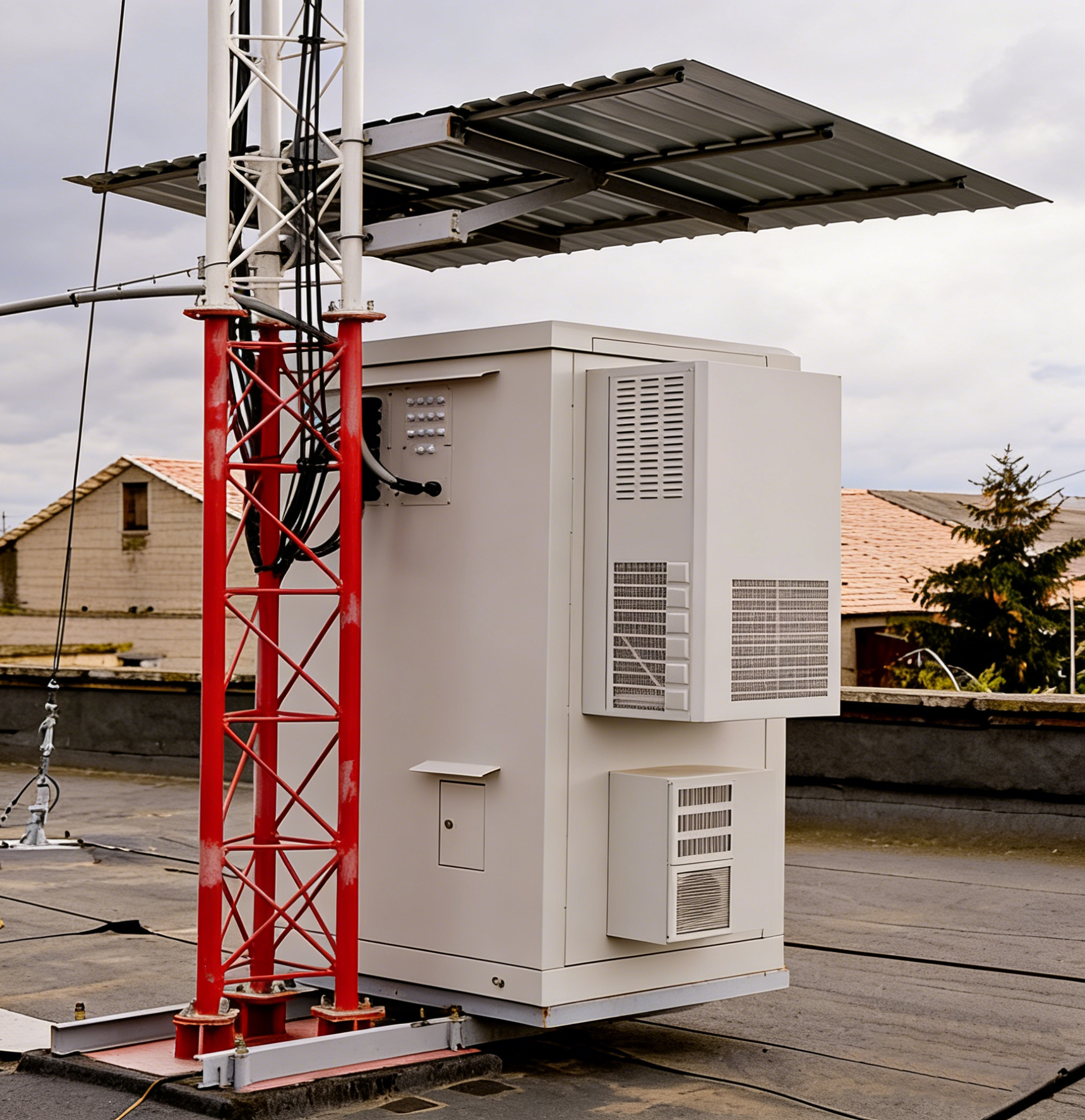
Interface locations, ventilation patterns, and structural features are considered together to support consistent assembly, airflow performance, and long-term reliability.
Interface locations, ventilation patterns, and structural features are considered together to support consistent assembly, airflow performance, and long-term reliability.
During manufacturing, enclosure geometry and access clearances are reviewed to ensure service-friendly installation and efficient maintenance throughout the equipment life cycle.
Scope & Boundaries
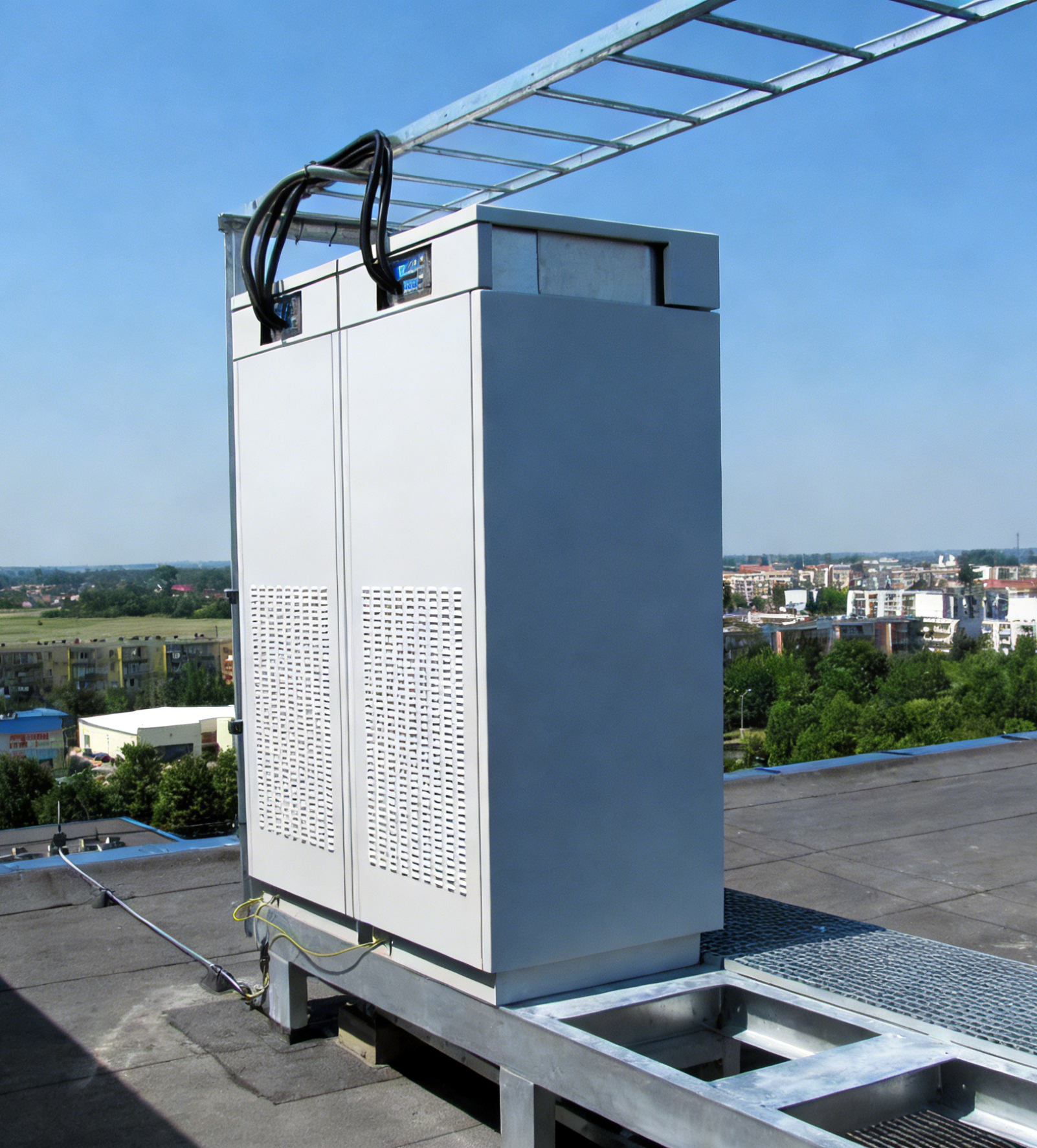
Our work in telecommunications equipment focuses on the fabrication of metal enclosures and structural components that support electronic assembly and installation.
Typical scope includes equipment housings, cabinets, frames, mounting panels, and related sub-assemblies manufactured according to customer drawings and layout requirements.
We do not design or supply electronic systems, networking hardware, or signal-related components, and work strictly within the defined mechanical scope to support reliable installation, airflow management, and long-term serviceability.