Industry Context
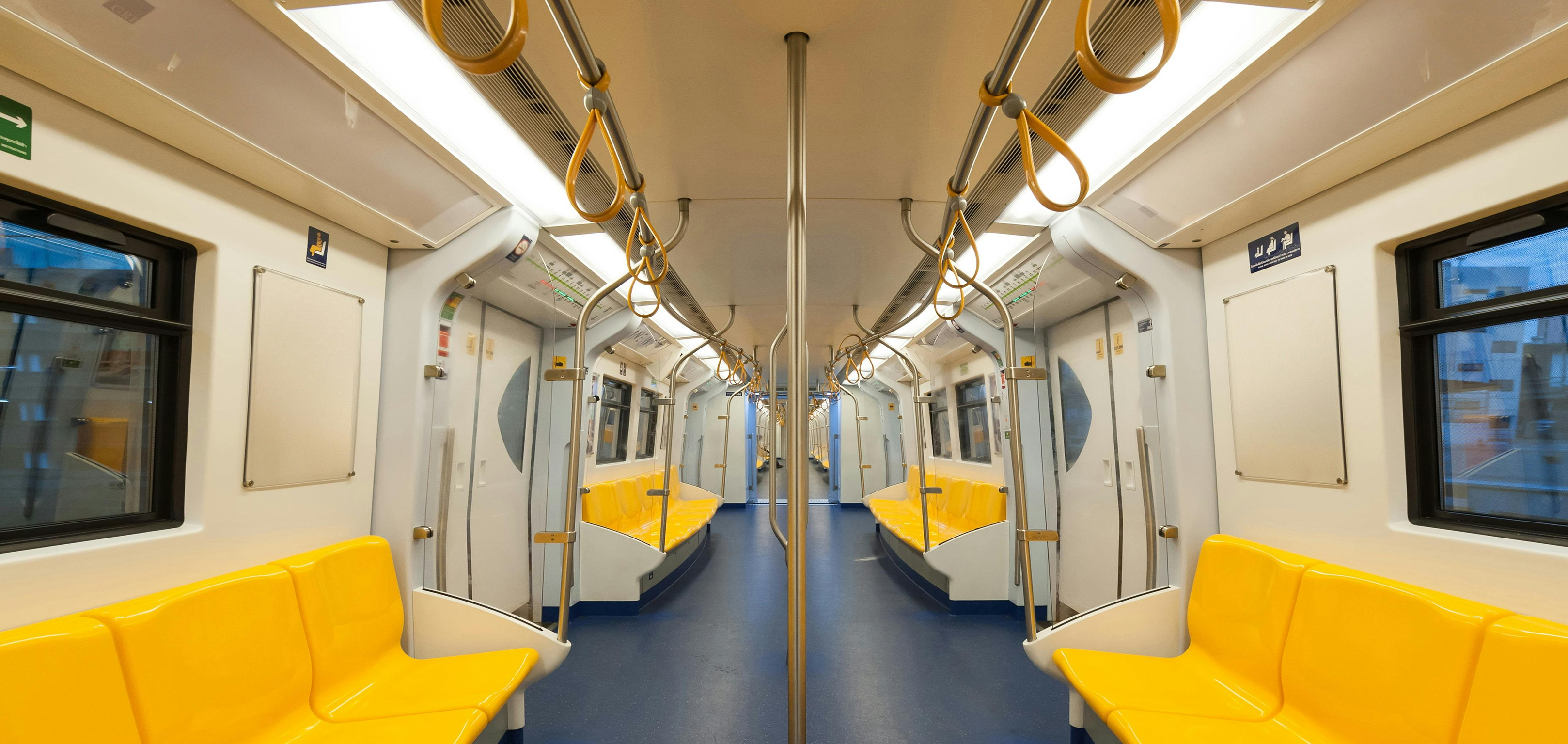
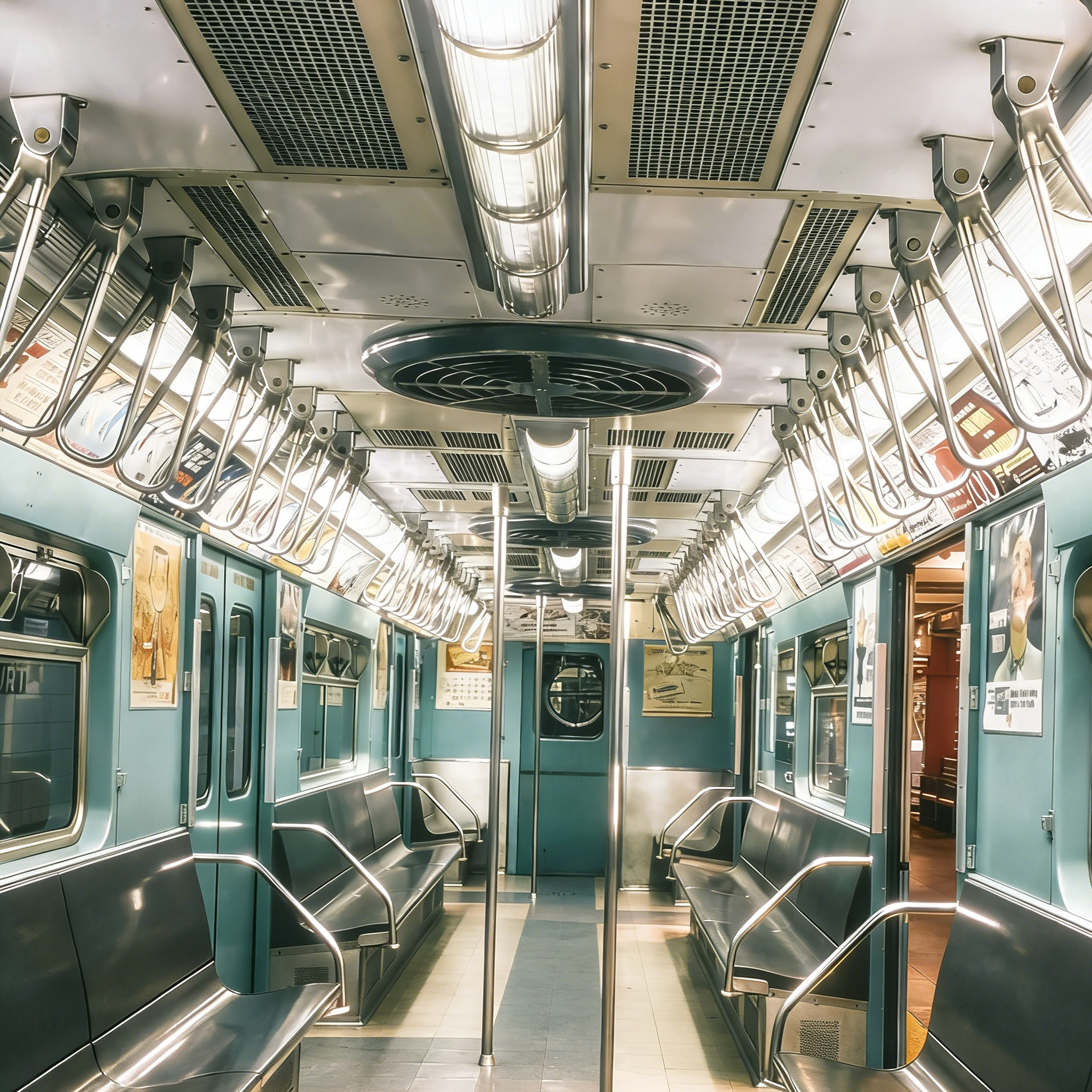
Railway interior components are metal parts installed within passenger areas, where they are subject to frequent use, physical contact, and long service cycles.
These components are typically visible and accessible, requiring not only structural reliability but also consistent fit, clean edges, and stable surface appearance.
In railway applications, dimensional accuracy, finish consistency, and durability directly affect passenger experience, safety perception, and long-term maintenance.
Key Manufacturing Challenges
Dimensional control on long and visible components
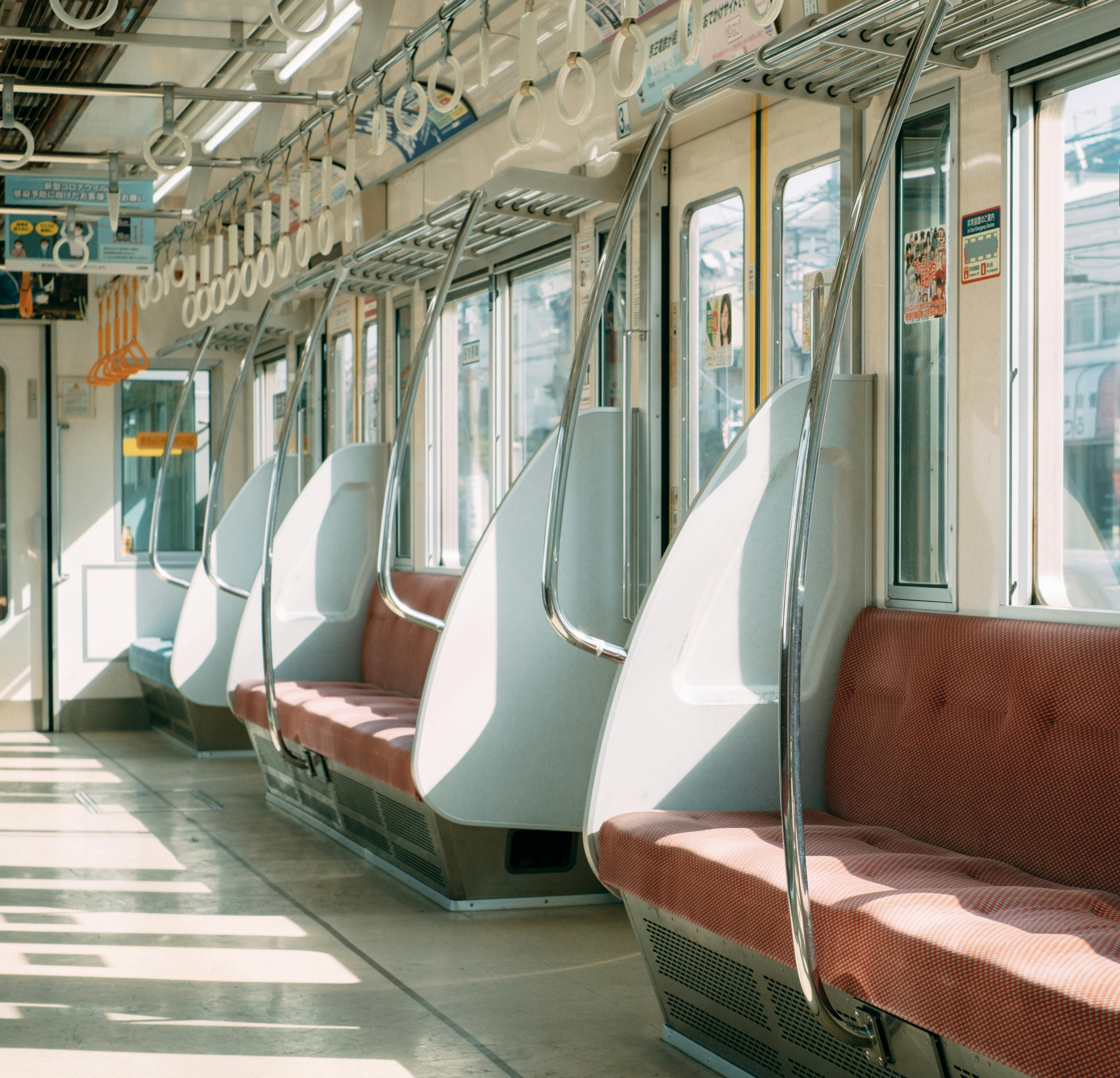
Many railway interior parts, such as handrails, frames, or structural supports, involve extended lengths while remaining visually exposed. Maintaining straightness and consistent geometry over long dimensions is critical to avoid visible misalignment.
Welding distortion and fit consistency
Welded assemblies are common in railway interior components. Controlling distortion during welding is essential to ensure proper fit with surrounding panels and to maintain clean, uniform gaps after installation.
Surface finish alignment across intersections
Brushed or polished finishes are frequently used for visible stainless steel parts. At corners or intersections, finish direction and alignment must remain consistent to preserve a clean and intentional appearance
High-use durability and edge quality
Interior components are subject to repeated contact and cleaning. Edge treatment, corner transitions, and surface stability must be carefully controlled to support long-term use without degradation.
Repeatability across production batches
Railway projects often require multiple identical units. Visual and dimensional consistency across batches is necessary to maintain a uniform interior appearance throughout the train set.
Our Approach
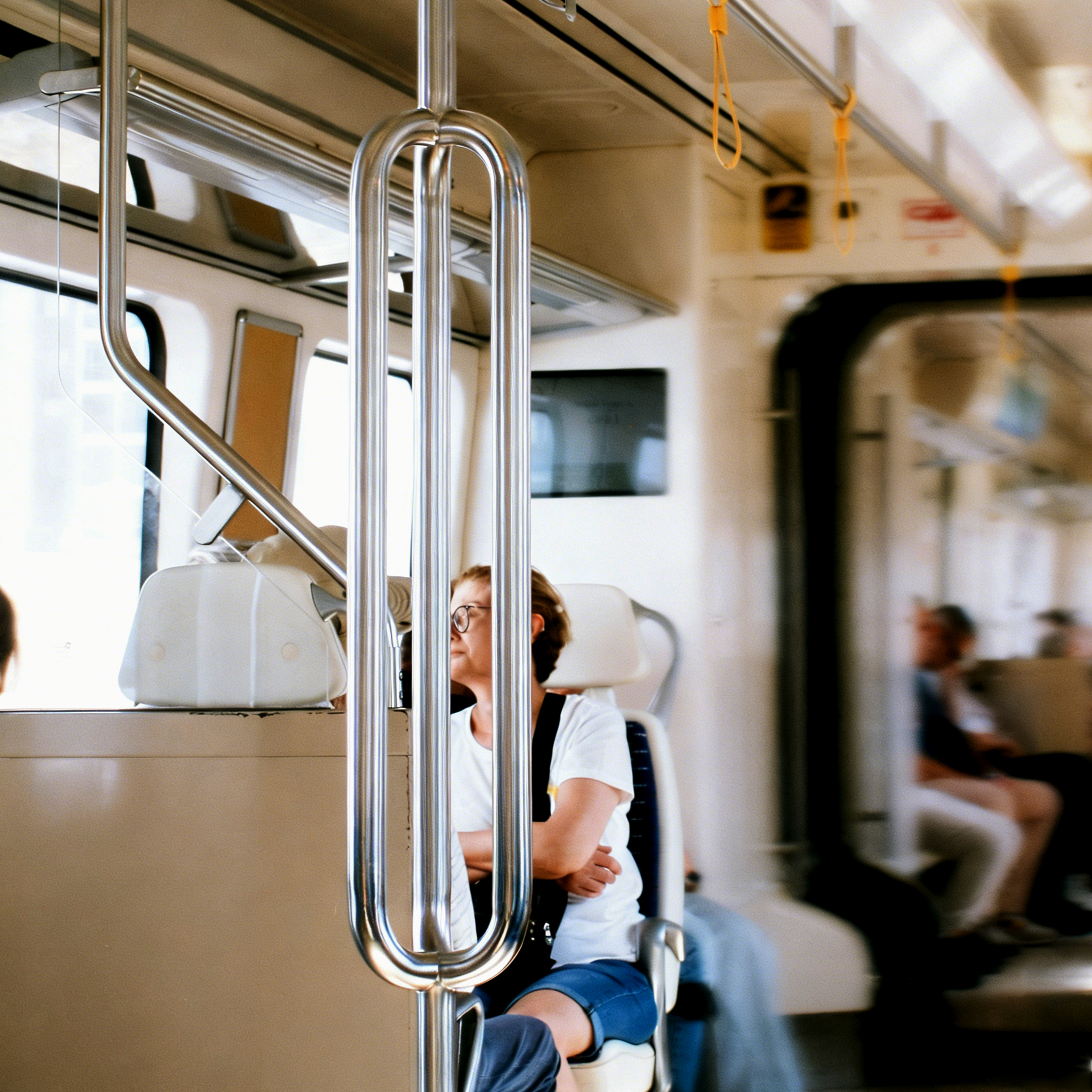
Our approach emphasizes dimensional stability and visual consistency when manufacturing railway interior components that remain visible and accessible to passengers.
Part geometry, joint relationships, and surface orientation are reviewed together to control distortion and maintain clean alignment across assemblies.
During fabrication, attention is given to straightness, edge condition, and finish continuity to support reliable installation and a consistent interior appearance across units.
Scope & Boundaries
Our work in railway interior projects focuses on the fabrication of metal components installed within passenger areas, where durability, fit, and appearance are critical.
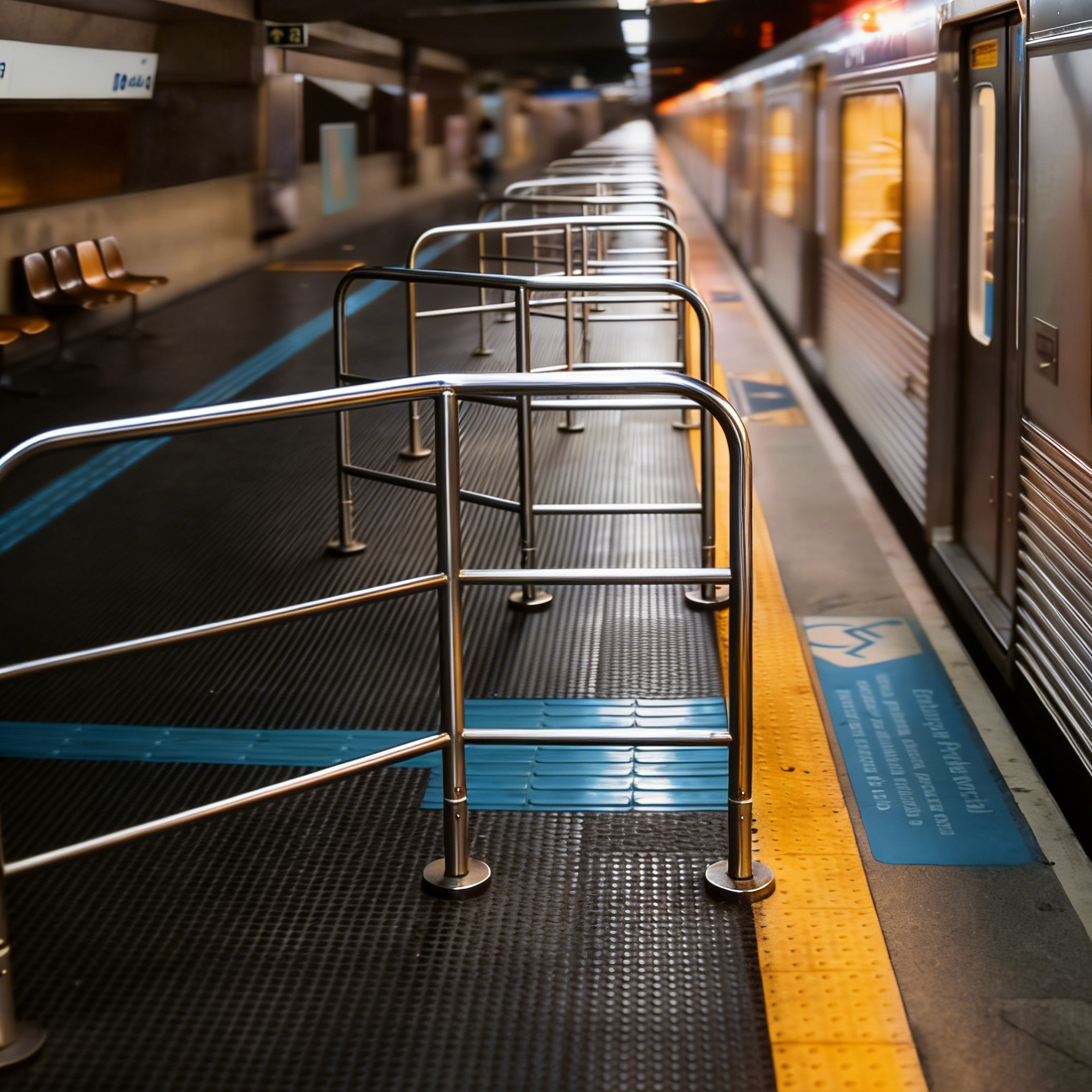
Typical scope includes stainless steel interior components such as handrails, frames, brackets, covers, and other structural or functional parts manufactured according to customer drawings and installation requirements.
We do not design or supply complete railway vehicles or interior systems, and work strictly within the defined mechanical scope to support safe installation, visual consistency, and long-term use in railway interiors.