Quality Control in Practice
Quality control methods aligned with real manufacturing processes to verify consistency, fit, and assembly readiness before shipment.
Precision Achieved by Process Control
Dimensional accuracy is primarily achieved through controlled manufacturing processes such as laser cutting (sheet & tube), wire EDM, and CNC turning or milling.
Typical process accuracy:
- • Laser cutting (sheet / tube): ±0.1-0.2 mm
- • CNC turning / milling: ±0.02-0.05 mm
- • Wire EDM (end interfaces): ±0.01–0.02 mm
Actual tolerance depends on part geometry and material.
QC Focused on Fit & Assembly Verification
Quality control is applied to verify critical dimensions, detect deviations, and confirm parts are suitable for assembly before shipment.
Focus areas:
- • Assembly-related dimensions
- • Interface alignment and interference
- • Batch-to-batch consistency
Fixture-Based Inspection for Assembly Checks
CNC-made inspection fixtures are used to validate fit, alignment, and potential interference based on 3D models and assembly conditions.
Fixture accuracy (typical):
- • CNC-machined inspection fixtures: ±0.05–0.1 mm
Fixtures are intended for fit and assembly validation rather than high-precision metrology.
Practical Measurement for Key Dimensions
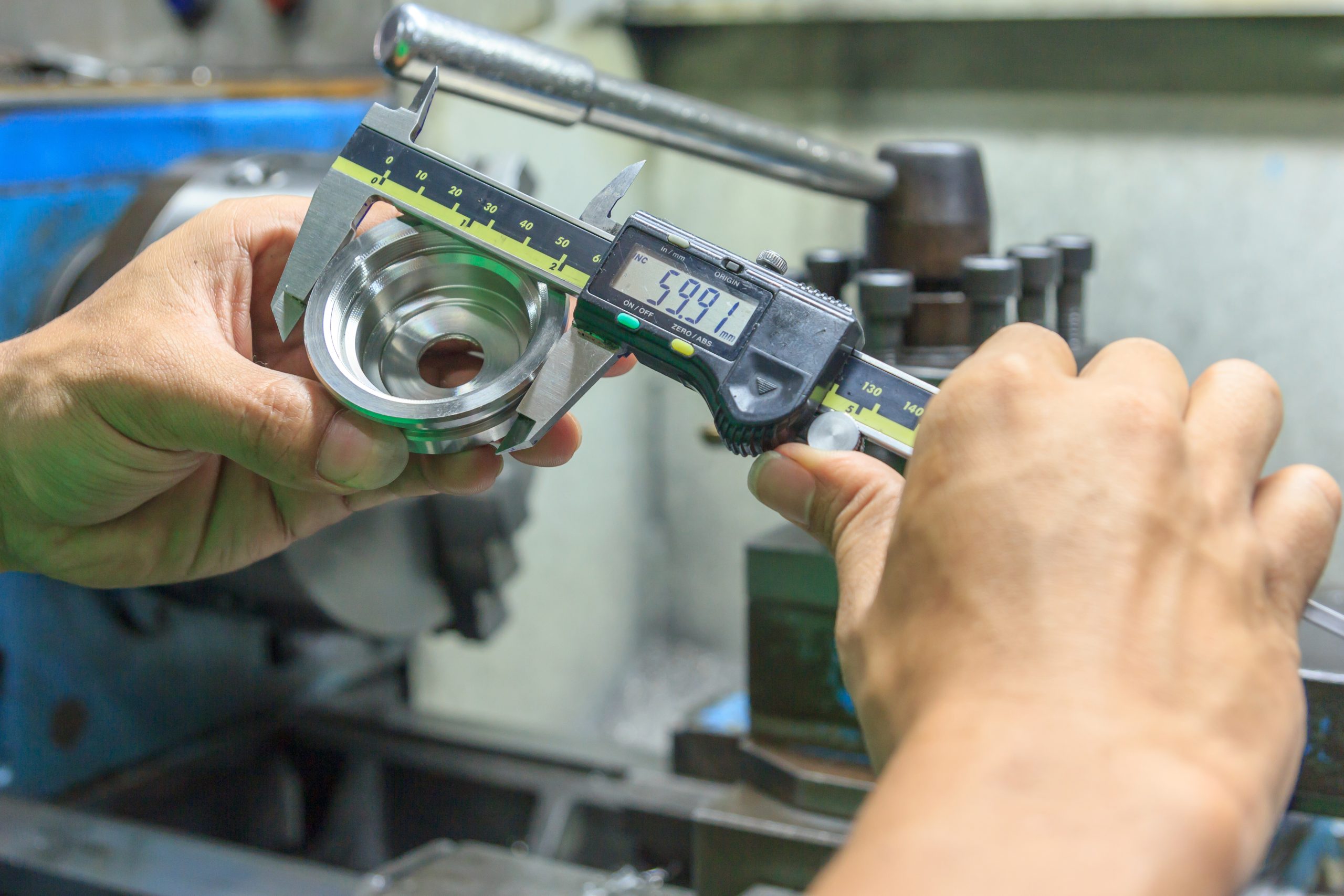
Manual tools such as calipers and micrometers are used to check defined critical dimensions and monitor batch consistency during production.
Measurement capability:
- • Calipers: ±0.02 mm
- • Micrometers: ±0.01 mm
Clear Scope for High-Precision Requirements
For precision-critical features, accuracy is ensured directly by CNC-controlled processes rather than post-process measurement.
Inspection focuses on verifying functional and assembly requirements rather than laboratory-grade certification.
Tolerance ranges shown reflect typical production capability. Final inspection scope and acceptance criteria are defined by customer drawings and project requirements.
From Concept to Component, Excellence in Every Step.

Achieving precision through
equipment and processes
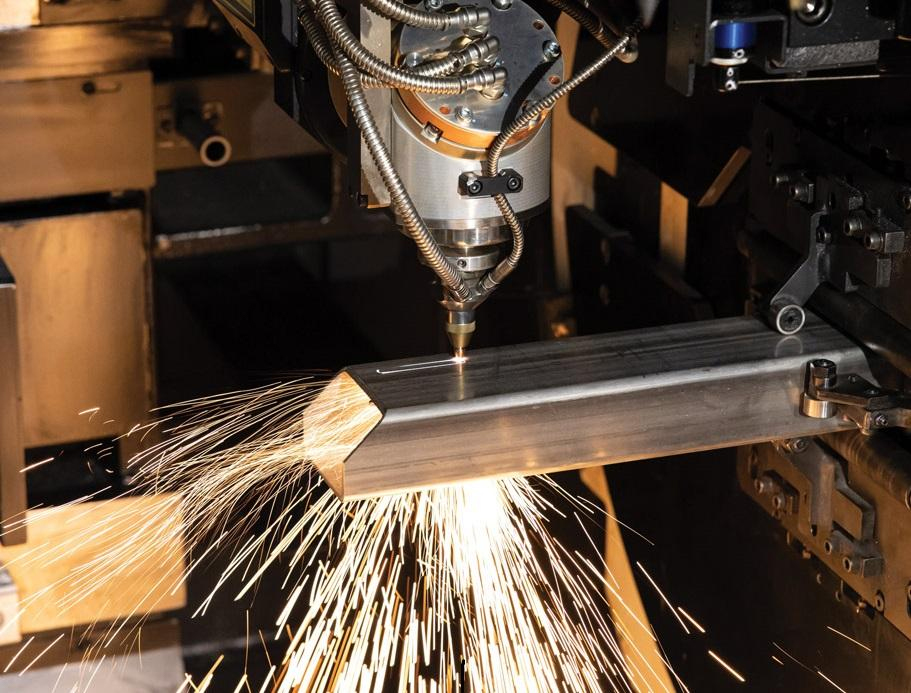
Laser Cutting Accuracy (Sheet & Tube)
Dimensional accuracy for many parts is achieved directly through laser cutting of sheet and tube. Precise profiles, holes, and end features are produced to meet assembly requirements without additional adjustment.
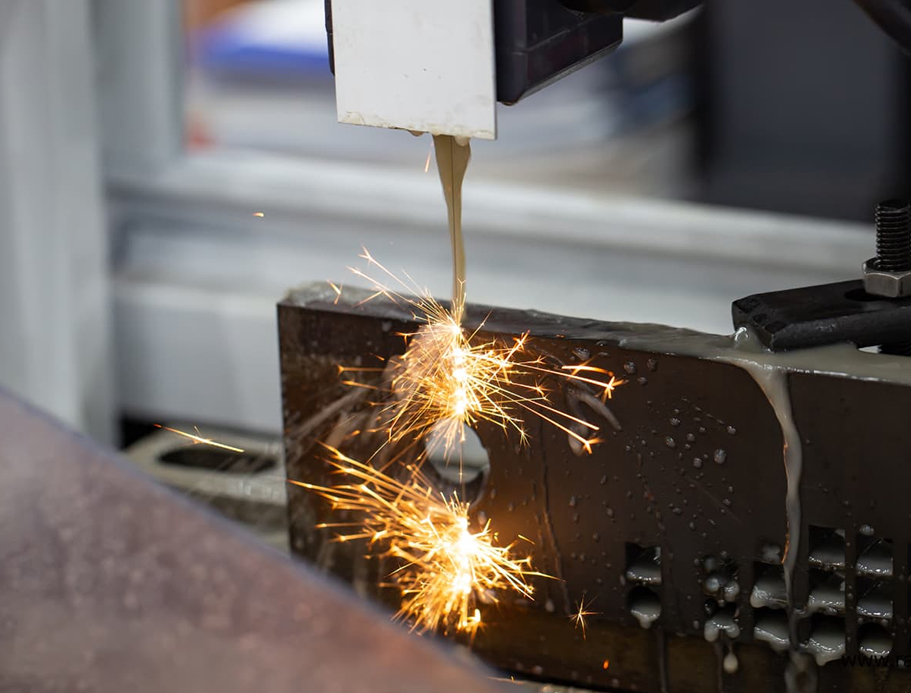
Wire EDM for Complex End Interfaces
Wire EDM is used for precision-critical end faces and complex intersection geometries. This process enables accurate mating features where conventional cutting methods are insufficient.
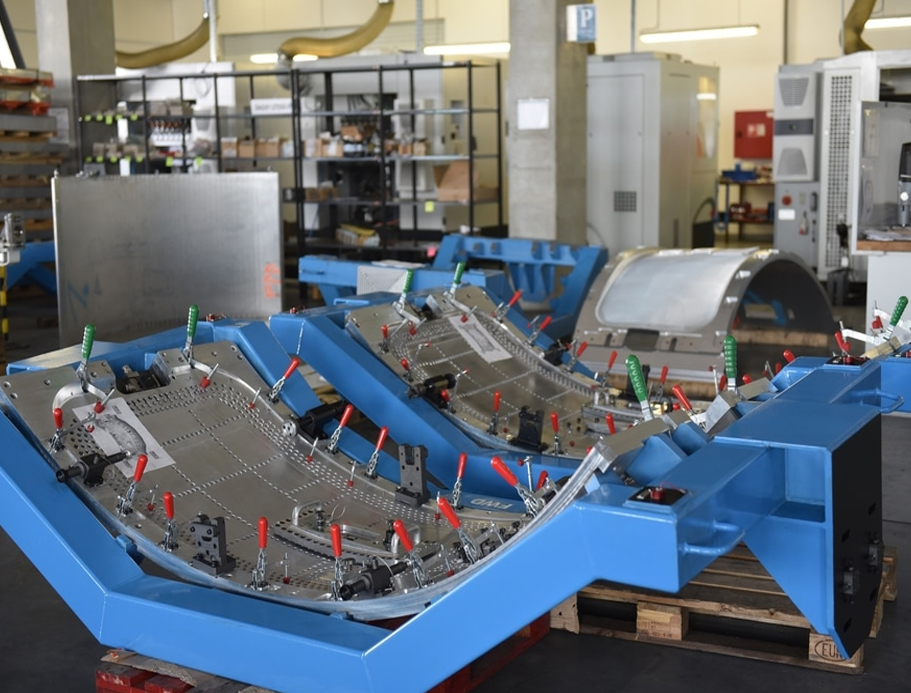
CNC Machined Inspection Fixtures
CNC-machined inspection fixtures are used to verify fit, alignment, and potential interference based on 3D models. These fixtures simulate assembly conditions and help identify issues early.
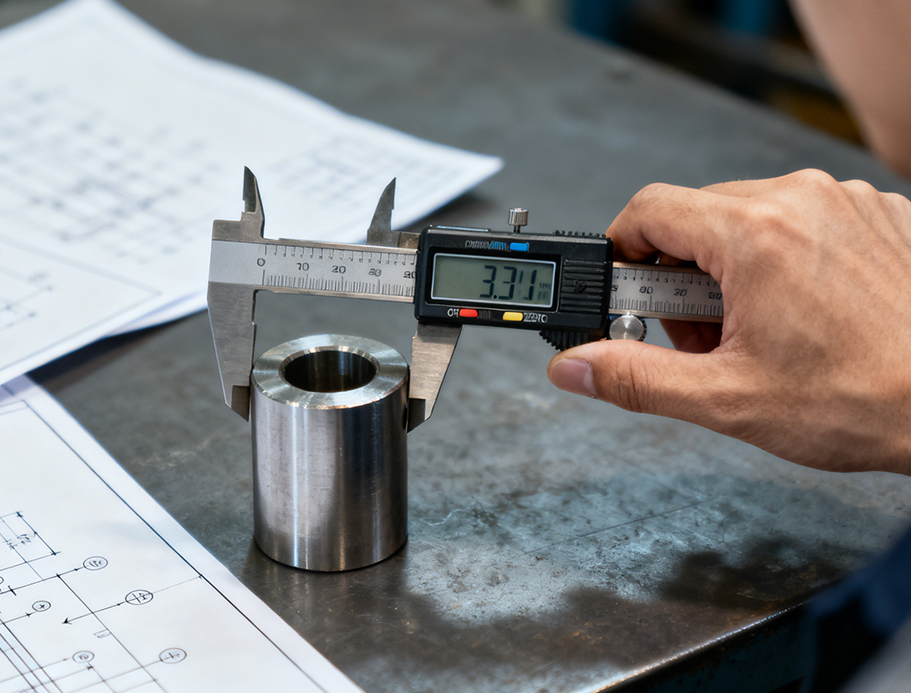
Manual Measurement of Key Dimensions
Calipers and micrometers are used to check defined critical dimensions and monitor consistency within production batches as part of routine quality control.
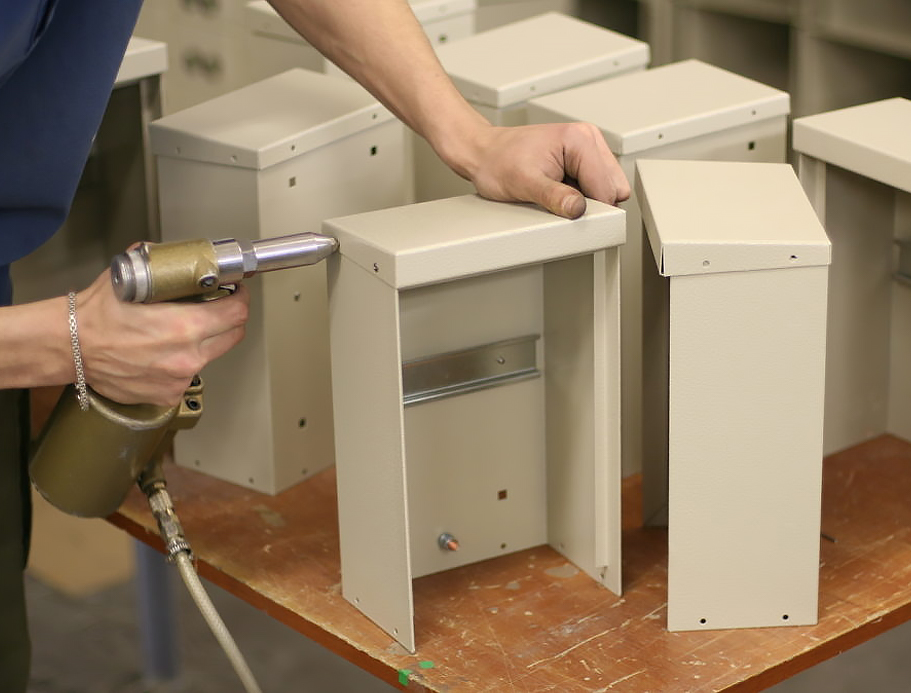
Assembly Verification Before Shipment
Final checks focus on assembly readiness, including fit verification and basic functional alignment, to reduce installation issues after delivery.
What Our Clients Say
Trusted by leading manufacturers worldwide for precision and reliability

Thomas W.
“The quality checks focused on fit and assembly helped us catch alignment issues before shipment. This avoided rework during on-site installation.”

James H.
“ZhongXin’s QC approach is clearly aligned with manufacturing reality. Parts arrived assembly-ready, with no unexpected interference or adjustment required.”

Piotr K.
“Using fixture-based inspection gave us confidence that parts would assemble as intended. This reduced coordination issues across different processes.”

Cergey A.
“Assembly performed according to drawings helped reduce tolerance-related problems caused by multi-supplier workflows. This saved both time and cost during final installation.”