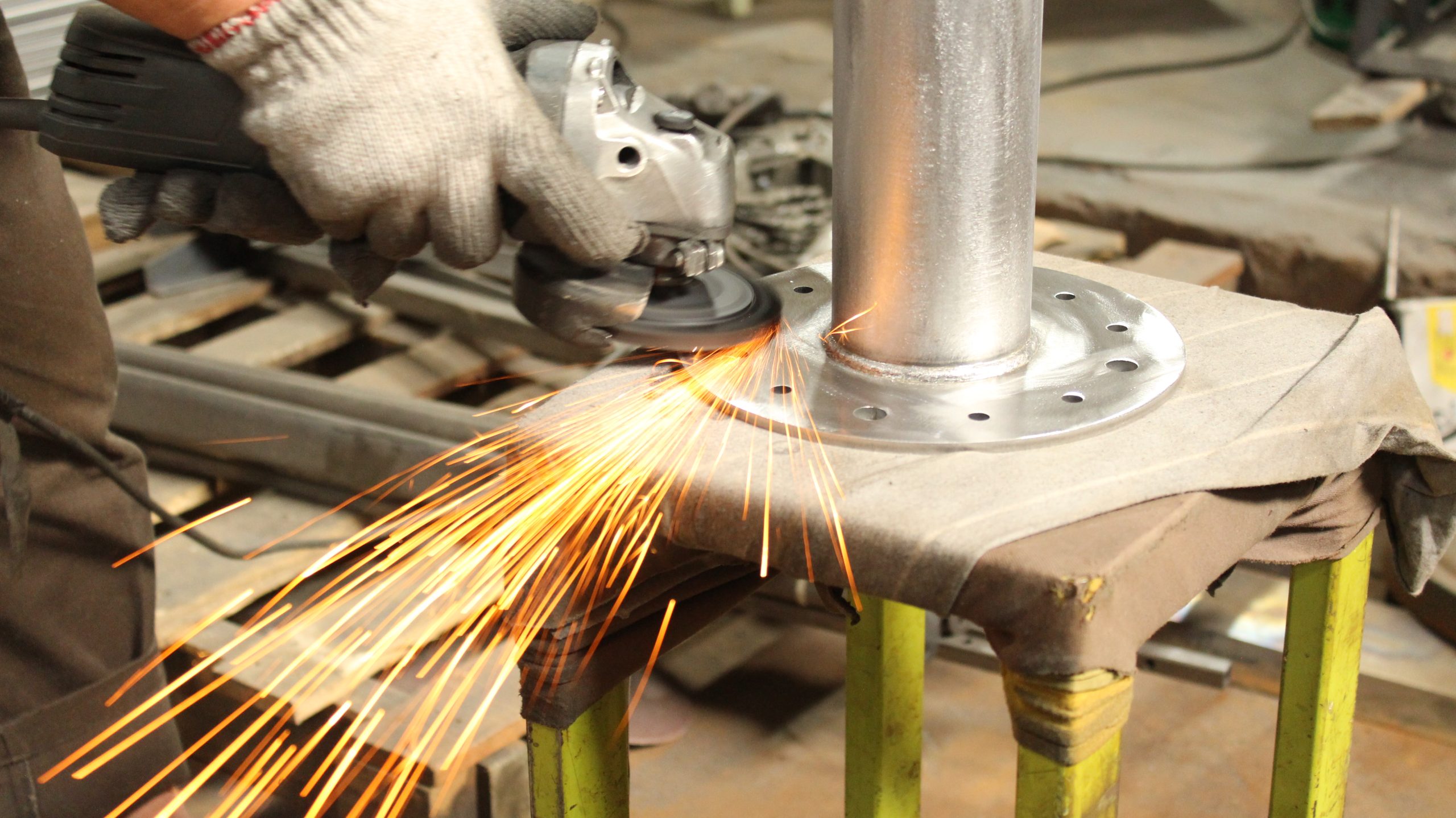
Before Specifying Surface Finishing
Surface finishing is applied strictly according to customer requirements. To ensure correct execution, the following information should be defined before production.
Surface finishing depends on base material
- • Please specify material type and grade (e.g. steel, stainless steel, aluminum)
- • Different materials have different finishing compatibility and limitations
Finishing requirements are defined by how the part will be used
- • Indicate corrosion, wear, or environmental exposure requirements
- • Indoor or outdoor use affects finishing expectations
Visual expectations should be clearly defined
- • Identify cosmetic or visible surfaces
- • Specify color, texture, or appearance standards if applicable
Surface finishing can affect fit and assembly
- • Note tolerance-sensitive areas or contact surfaces
- • Indicate masking or protected areas if required
From Concept to Component, Excellence in Every Step.

Surface Finishing Guide
Comprehensive classification of surface finishing processes for metal parts
Surface Finishing by Material Type
Surface finishing options are influenced by the base material of the part. Different materials have specific compatibility and limitations that should be considered before finishing.
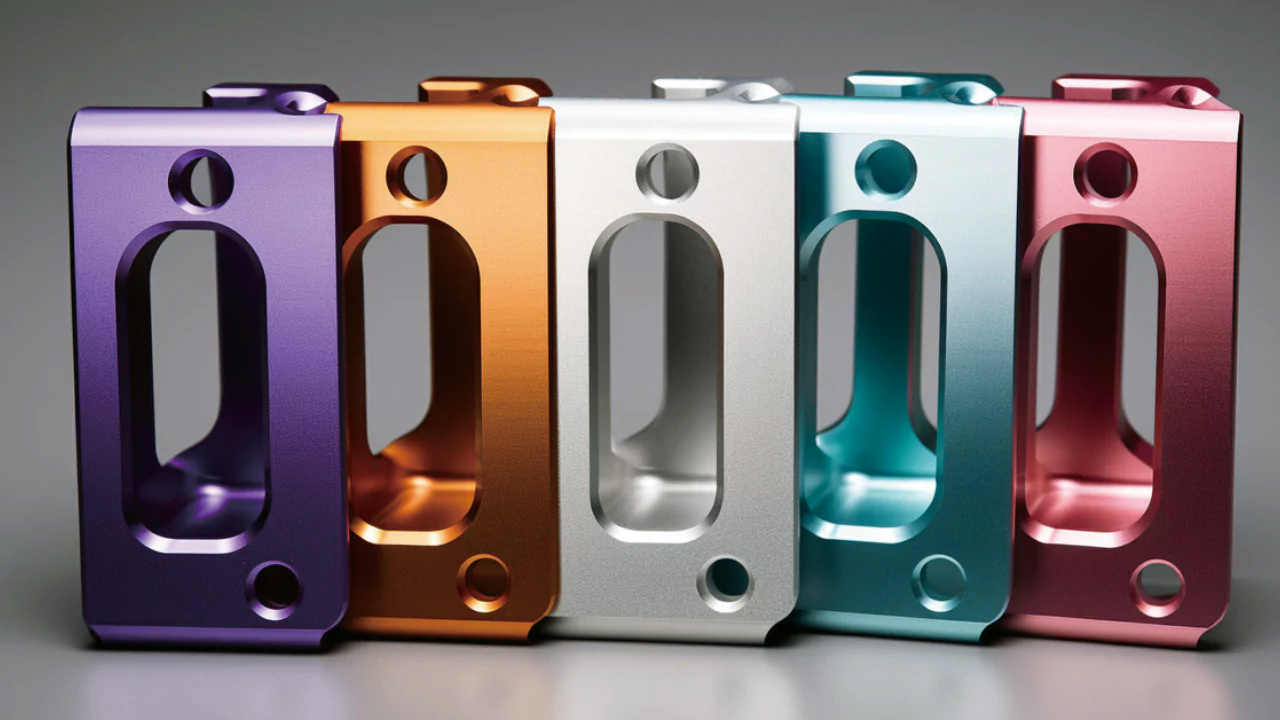
Aluminum → Anodizing
Primary purpose
Provides a durable and stable surface finish specifically for aluminum parts.
Typical applications
Commonly used for aluminum enclosures, panels, and structural components where corrosion resistance or appearance is required.
Considerations
Material grade and surface condition should be specified. Anodizing applies only to aluminum and will affect surface color and finish.
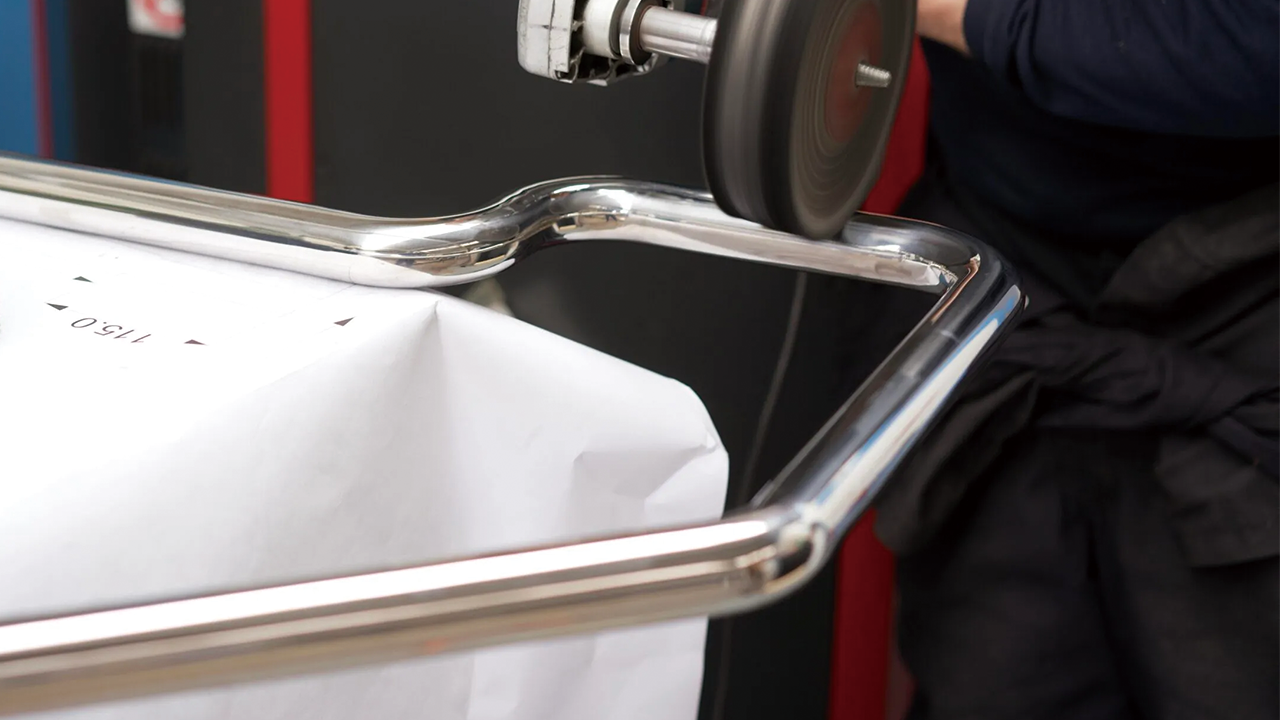
Stainless Steel → Passivation / Polishing
Primary purpose
Improves corrosion resistance or surface appearance of stainless steel components.
Typical applications
Used for stainless steel parts in industrial equipment, enclosures, or visible assemblies.
Considerations
Stainless steel grade and required surface condition should be defined. Different finishes may affect appearance but do not change base material properties.

Carbon Steel → Black Oxide / Phosphating
Primary purpose
Provides basic corrosion protection with minimal impact on part dimensions.
Typical applications
Commonly applied to carbon steel parts, brackets, and mechanical components.
Considerations
Surface protection level is limited. Additional coating may be required for outdoor or corrosive environments.
Surface Finishing by Functional Requirements
Surface finishing may be required to meet functional needs such as corrosion protection, durability, or environmental resistance. The following treatments are commonly applied based on how the part will be used.
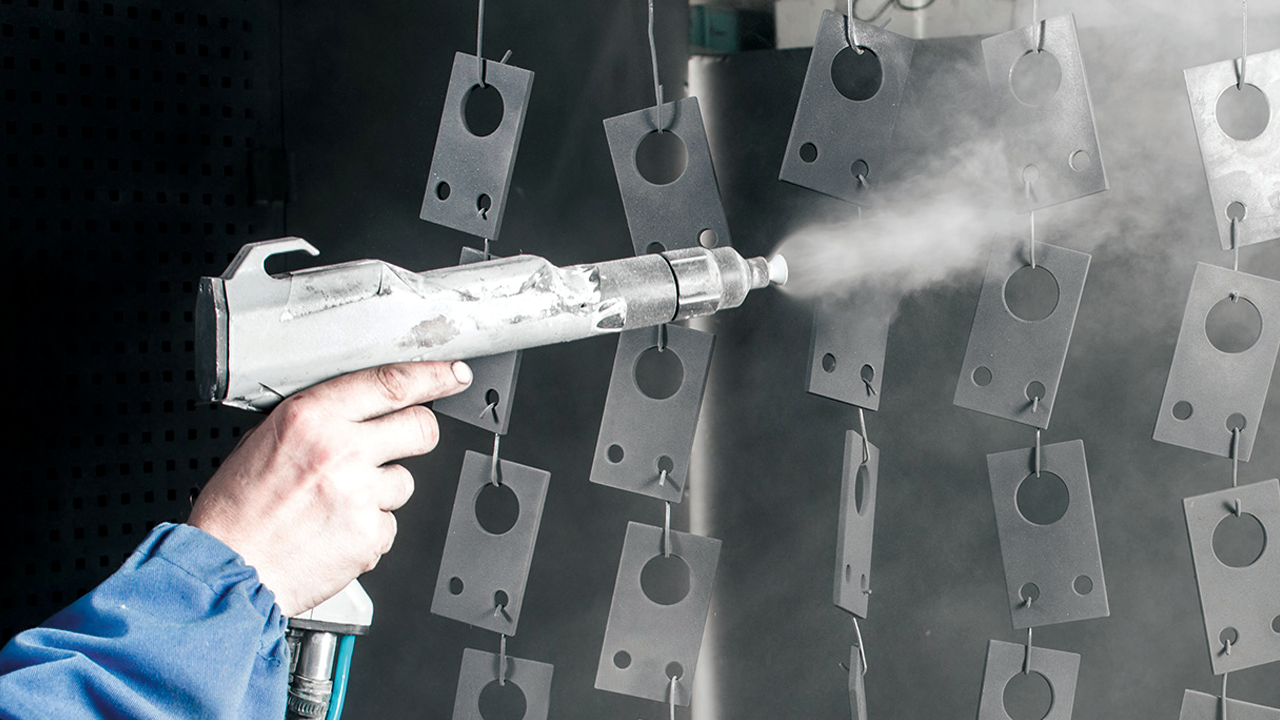
Powder Coating
Primary Purpose
Provides durable surface protection for fabricated metal parts exposed to wear or environmental conditions.
Typical Applications
Commonly used for enclosures, brackets, frames, and components intended for indoor or outdoor use.
Considerations
Coating thickness and masking areas should be specified where fit, grounding, or contact surfaces are involved.
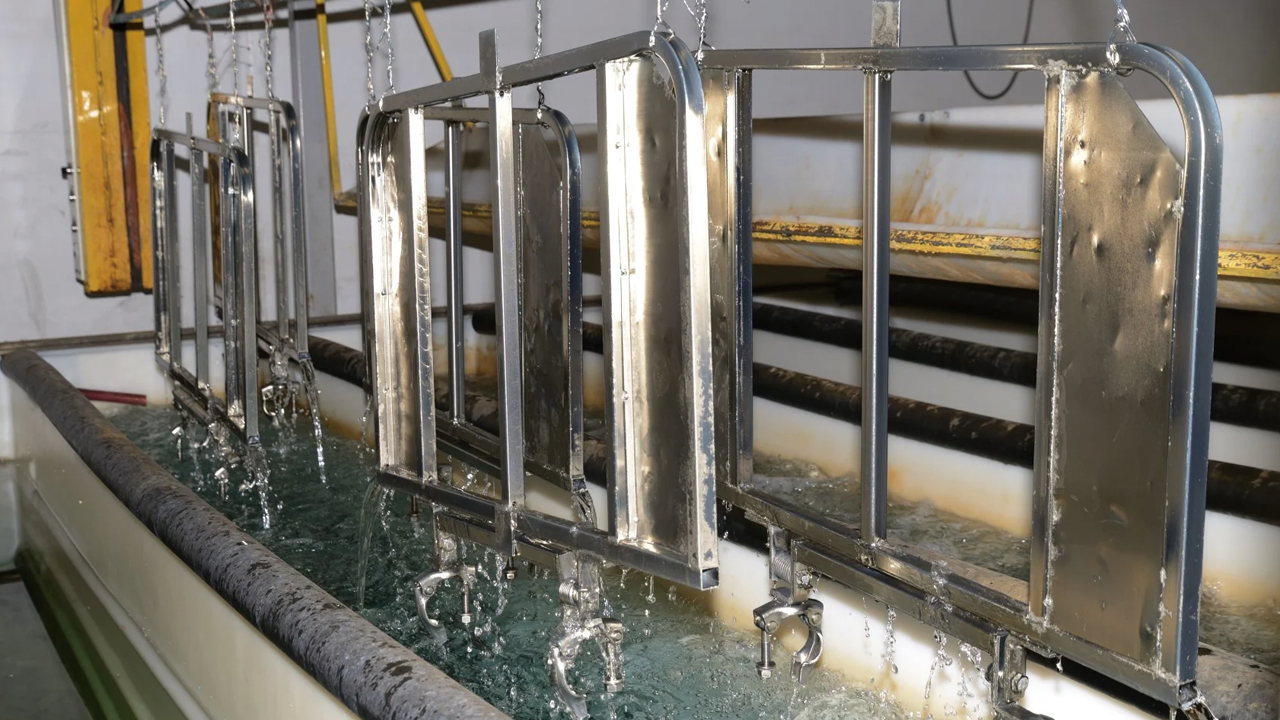
Electroplating
Primary Purpose
Provides surface protection or functional properties such as corrosion resistance or electrical conductivity.
Typical Applications
Used for metal components in mechanical assemblies or applications with specific functional requirements.
Considerations
Plating type, coverage areas, and potential dimensional impact should be defined before processing.
Surface Finishing by Appearance Requirements
Some surface treatments are primarily applied to meet visual or cosmetic requirements. These finishes focus on surface texture, uniformity, color, or identification on visible areas.
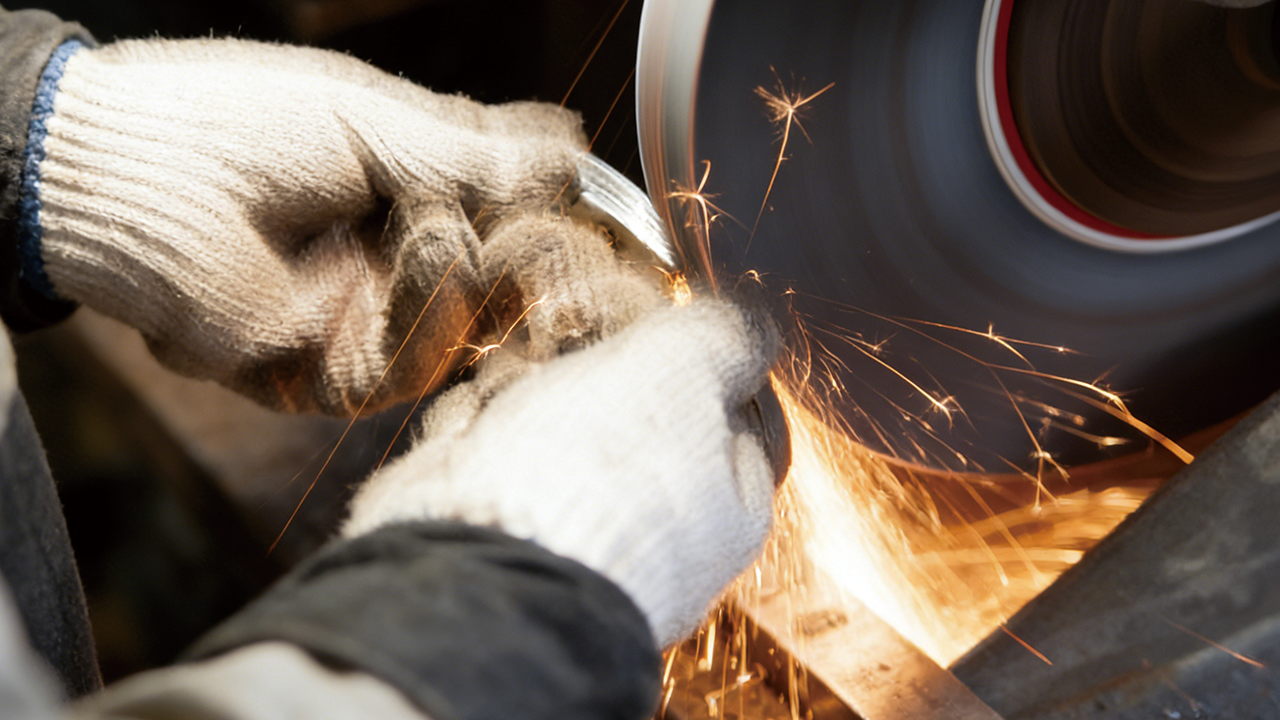
Polishing
Primary Purpose
Improves surface smoothness and visual appearance on visible metal surfaces.
Typical Applications
Used for stainless steel or aluminum parts where a clean or reflective finish is required.
Considerations
Surface quality expectations should be defined. Different polishing levels may result in visible variation across parts or batches.
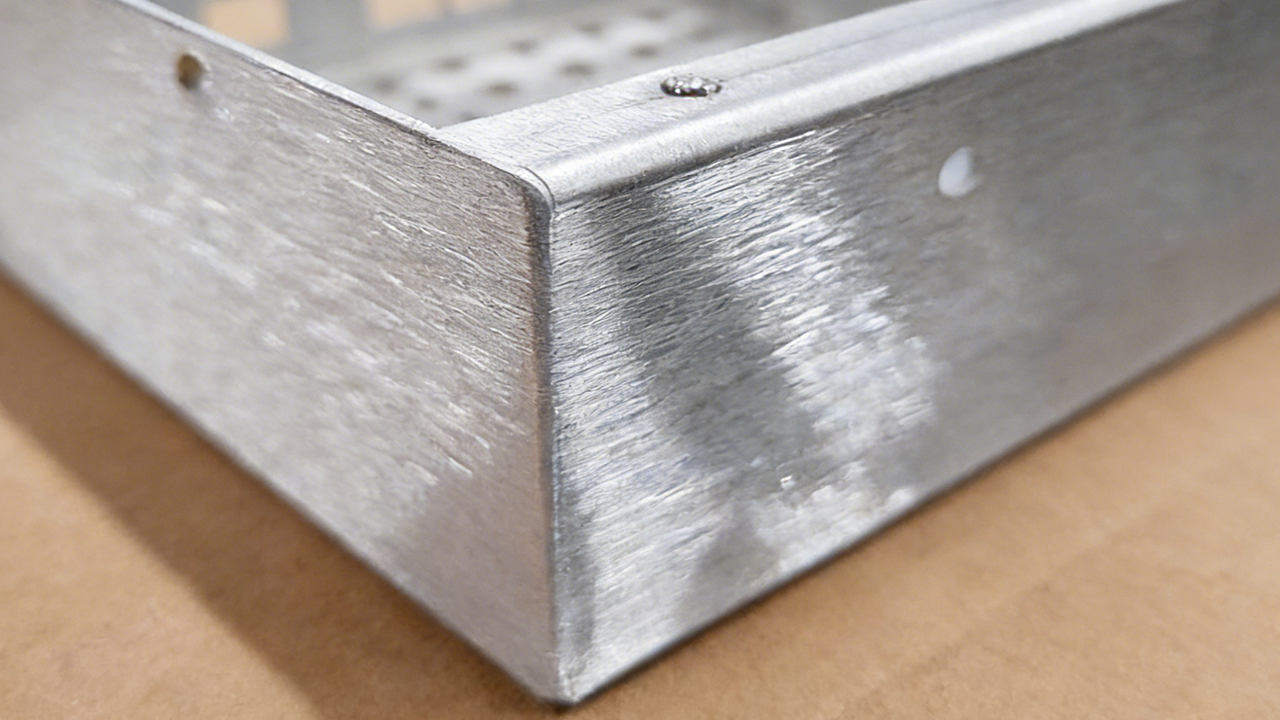
Brushing / Hairline Finish
Primary Purpose
Creates a uniform linear texture for a controlled and consistent appearance.
Typical Applications
Commonly applied to panels, covers, and decorative metal components.
Considerations
Brushing direction and visible surfaces should be specified to ensure consistency.
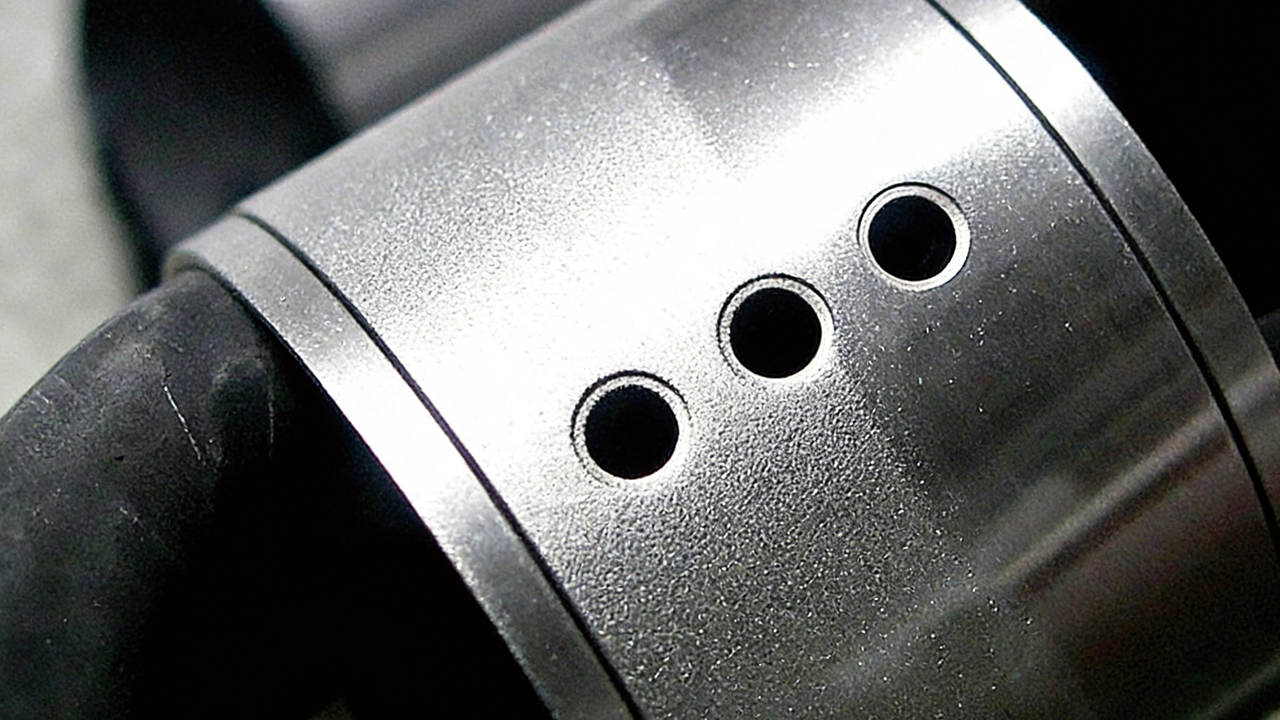
Sand / Bead Blasting
Primary Purpose
Produces a matte or uniform surface texture and reduces surface reflectivity.
Typical Applications
Used for parts requiring a consistent, non-glossy appearance or surface preparation.
Considerations
Blasted surfaces may affect subsequent finishing results and should be evaluated accordingly.
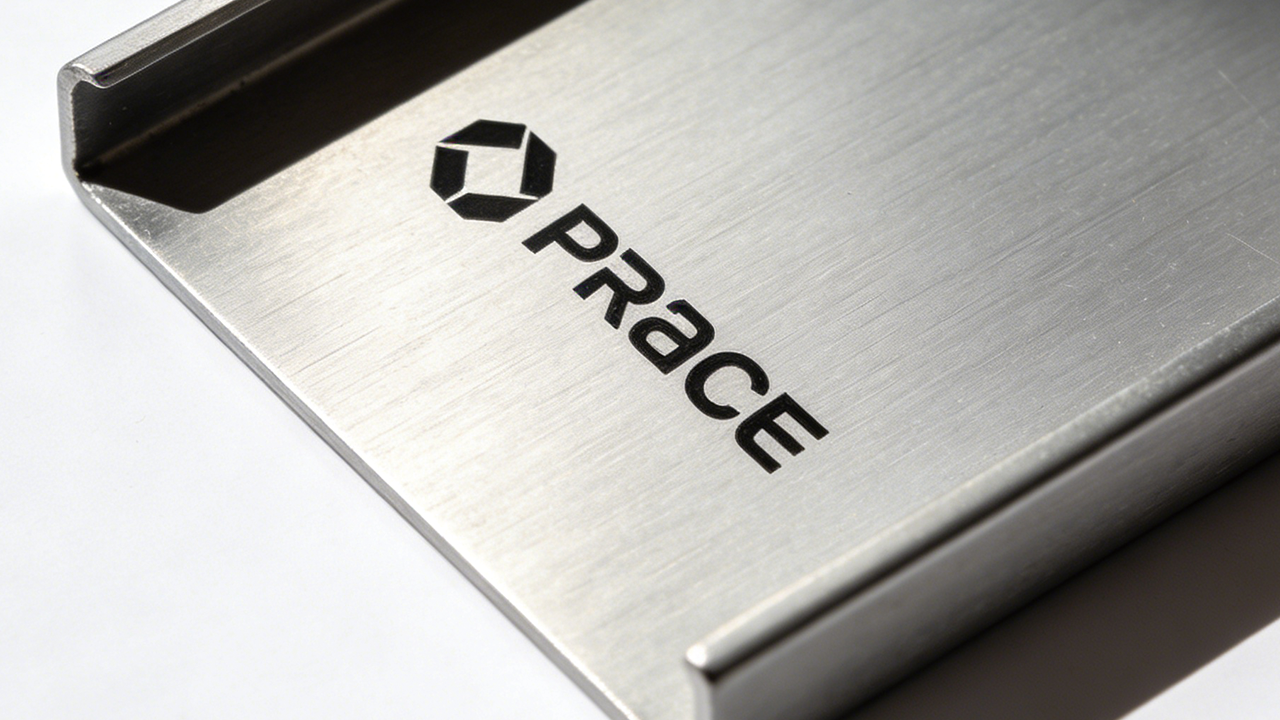
Silk Screening
Primary Purpose
Applies graphics, text, or markings directly onto finished metal surfaces.
Typical Applications
Used for labels, logos, control panels, and identification markings.
Considerations
Artwork files, color requirements, and marking locations should be clearly specified.
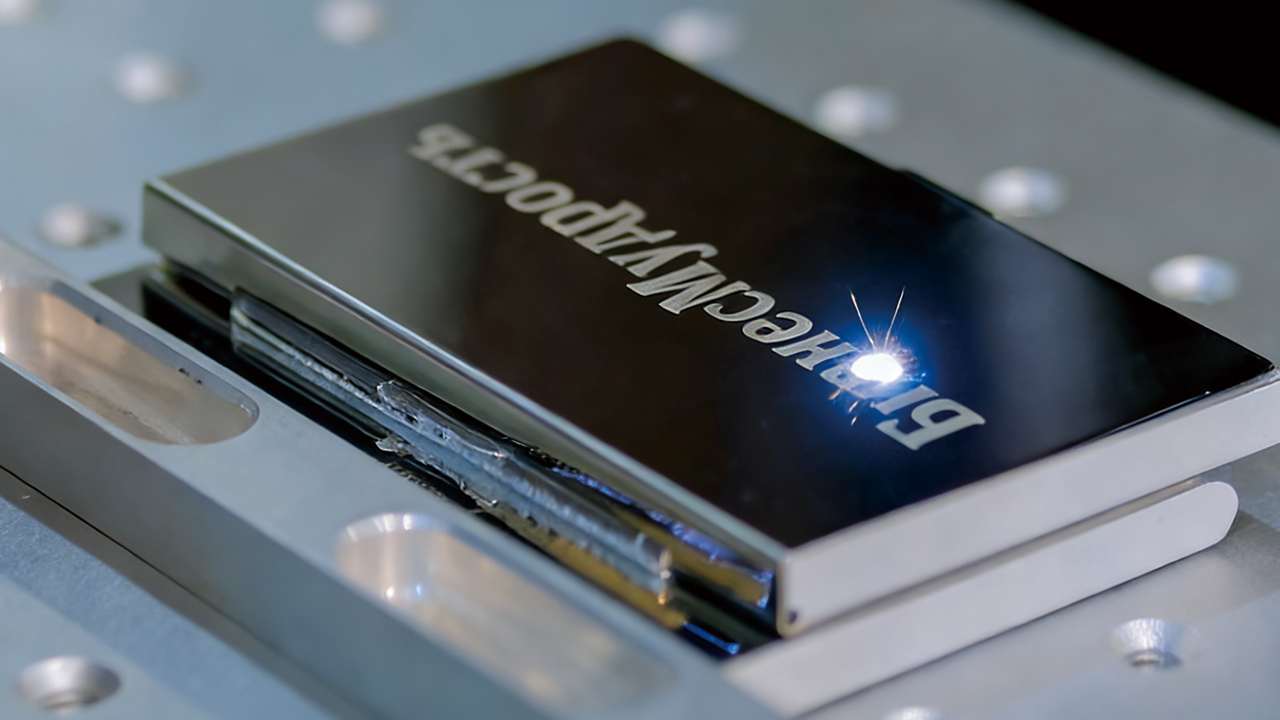
Laser Marking
Primary Purpose
Creates permanent markings without additional coatings or inks.
Typical Applications
Used for serial numbers, logos, or identification marks on metal parts.
Considerations
Marking depth, contrast, and placement should be defined, especially on visible surfaces.
Surface Finishing by Assembly & Use
Some surface finishing steps are applied to support safe handling, proper assembly, or downstream use. These processes focus on edges, contact surfaces, and areas that may affect fit or installation.
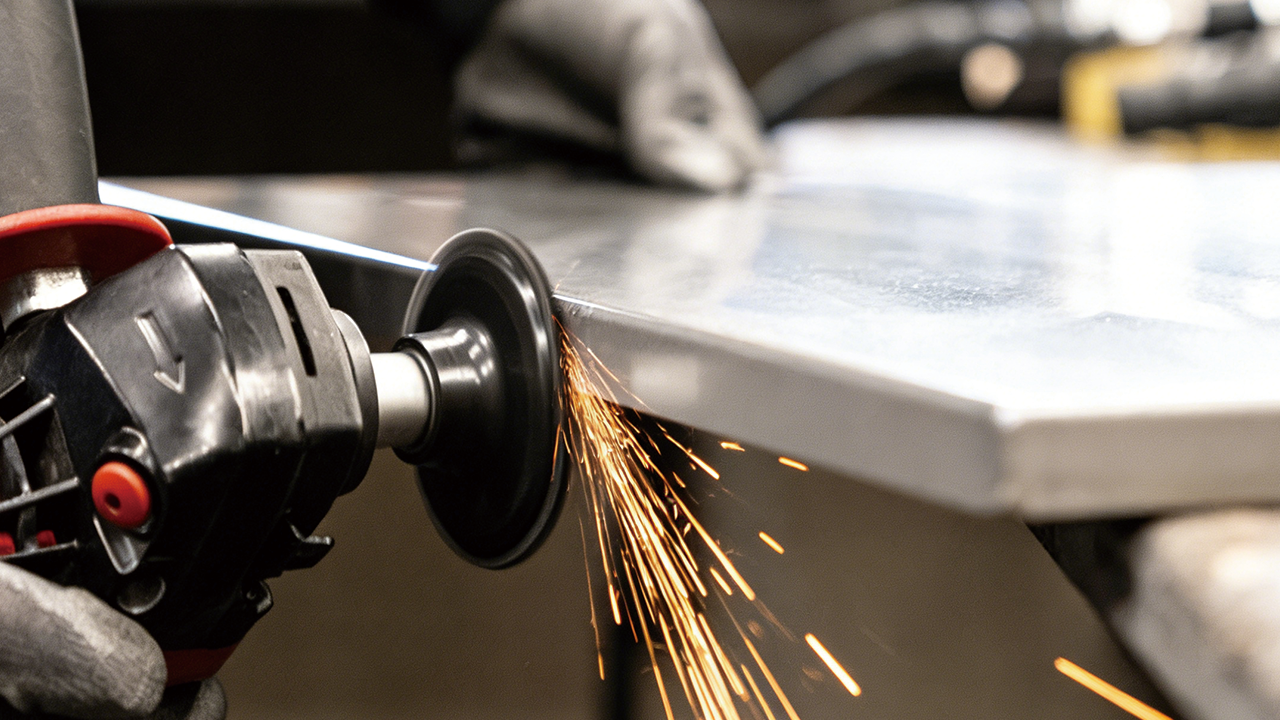
Grinding & Deburring
Primary Purpose
Removes sharp edges and burrs to improve handling safety and assembly reliability.
Typical Applications
Applied to sheet metal parts after cutting, punching, or stamping, especially on exposed edges or holes.
Considerations
Edge quality requirements should be defined. Critical dimensions and contact areas should be identified to avoid over-processing.
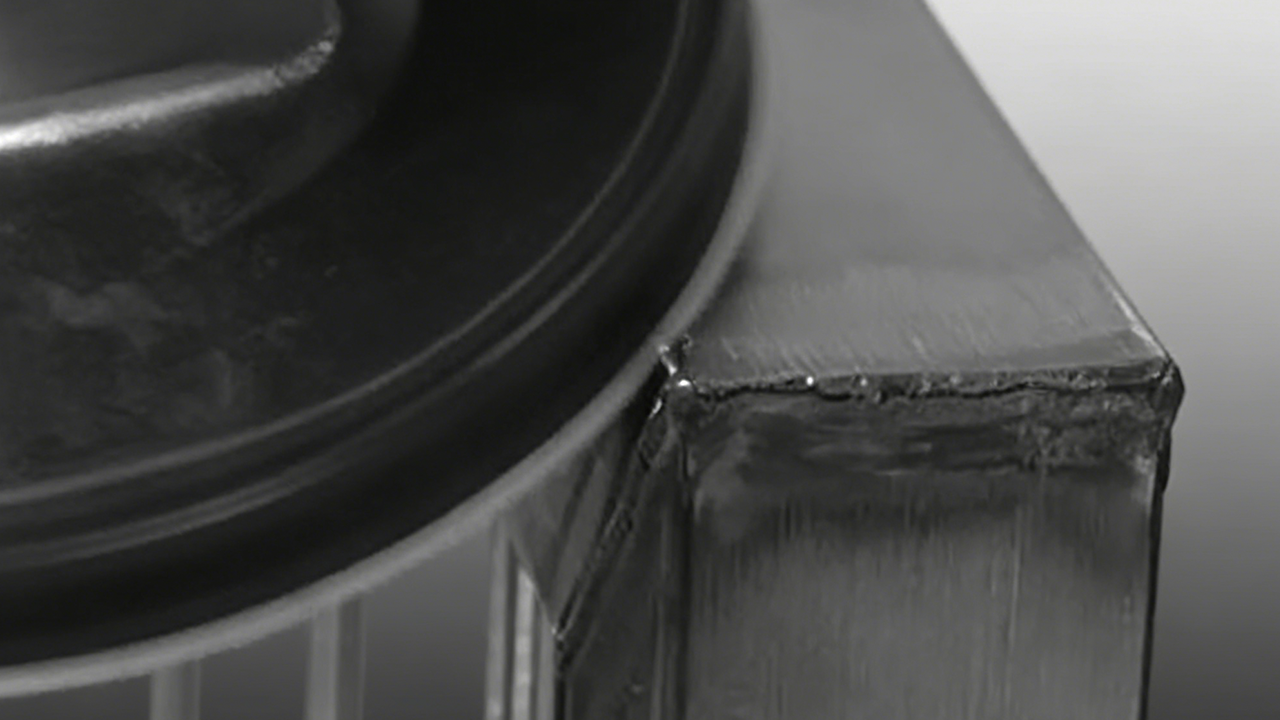
Edge Finishing
Primary Purpose
Improves edge consistency and reduces the risk of injury or interference during assembly.
Typical Applications
Used on panels, brackets, and components with exposed or user-contact edges.
Considerations
Finished edges may slightly alter dimensions and should be considered in tolerance-sensitive designs.
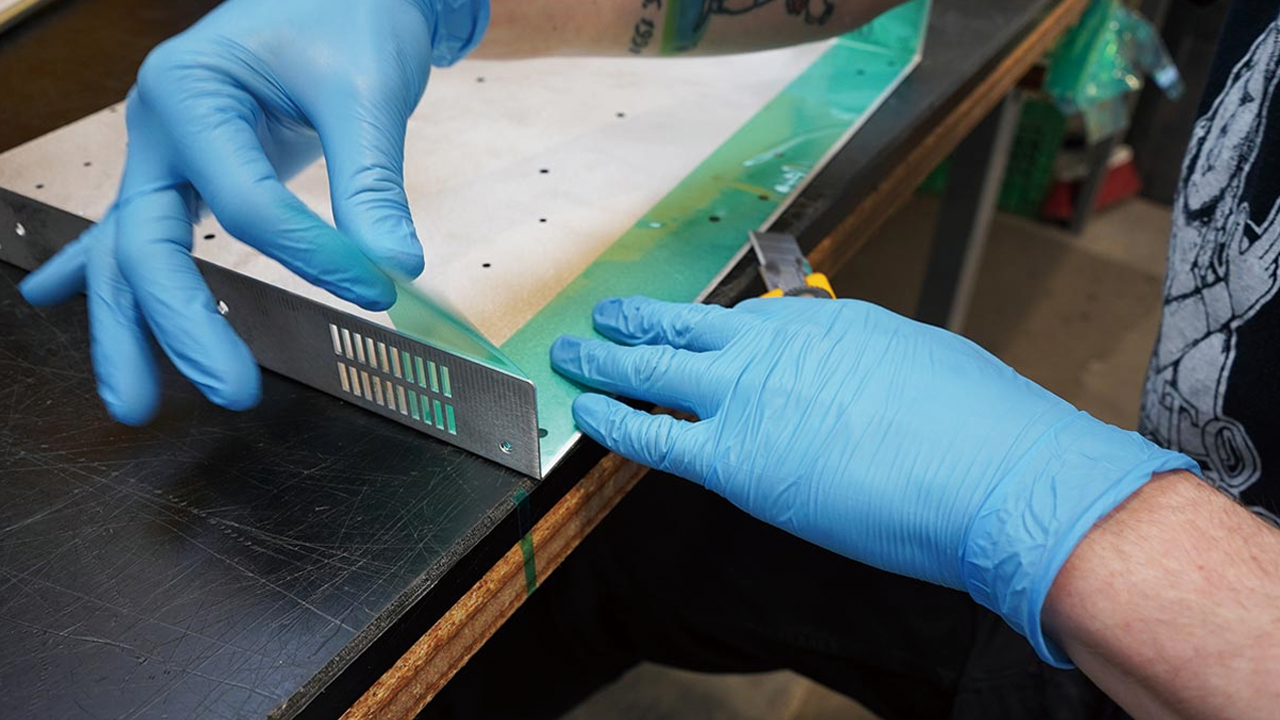
Masking for Finishing
Primary Purpose
Protects specific areas from coating or plating to maintain fit, grounding, or functional surfaces.
Typical Applications
Used where threaded holes, mating surfaces, or electrical contact points must remain uncoated.
Considerations
Masking areas should be clearly indicated on drawings or specifications before processing.
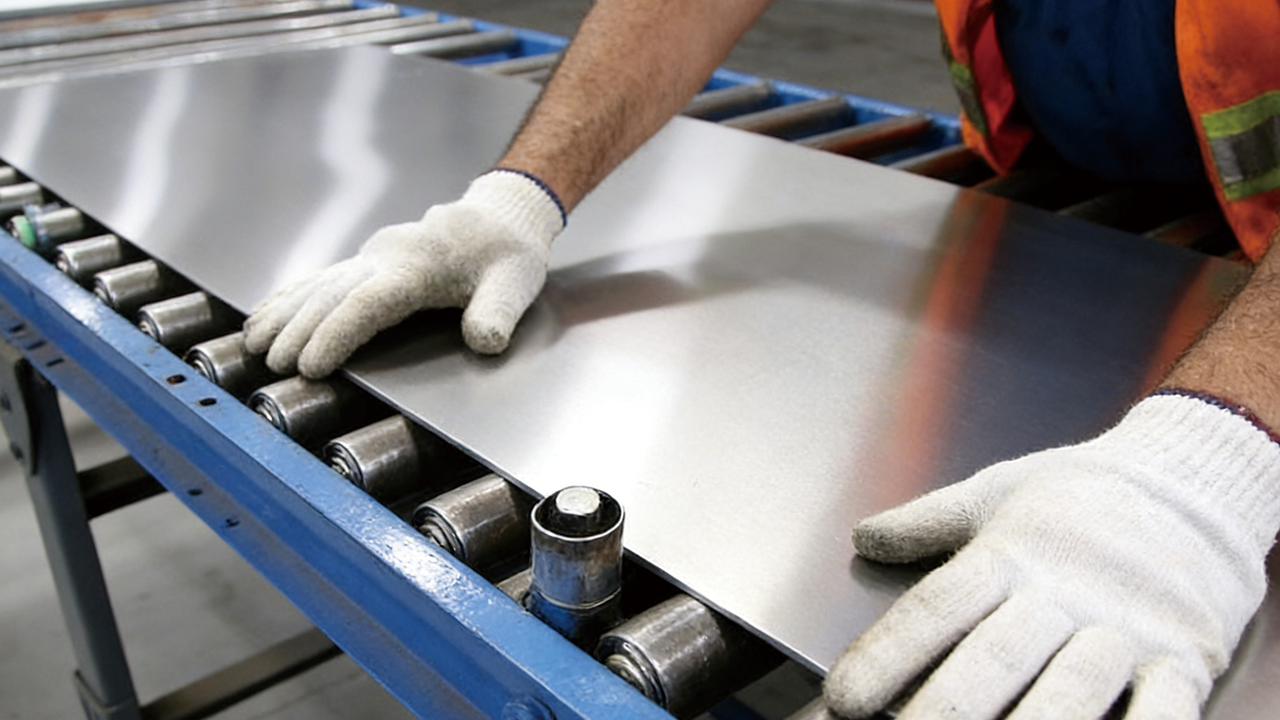
Selective Surface Treatment
Primary Purpose
Applies finishing only to designated areas while leaving others untreated.
Typical Applications
Used for parts with mixed requirements, such as cosmetic surfaces combined with precision interfaces.
Considerations
Clear definition of treated and untreated areas is required to avoid misinterpretation.
What Our Clients Say
Trusted by leading manufacturers worldwide for precision and reliability

Daniel M.
“Having surface finishing handled together with fabrication simplified our process. The finishes were applied as specified, and parts arrived ready for assembly without additional coordination.”

Andreas L.
“The team understood our surface finishing requirements clearly, especially around masking and visible areas. This helped avoid rework and ensured consistent results across batches.”
Sergey V.
“We sourced fabricated parts with powder coating and plating as a complete package. Surface quality was stable, and dimensional fit was maintained after finishing.”

Mark H.
“Managing fabrication and surface finishing with one supplier reduced lead time and handovers. The parts met our functional and appearance expectations without extra follow-up.”