Industry Context
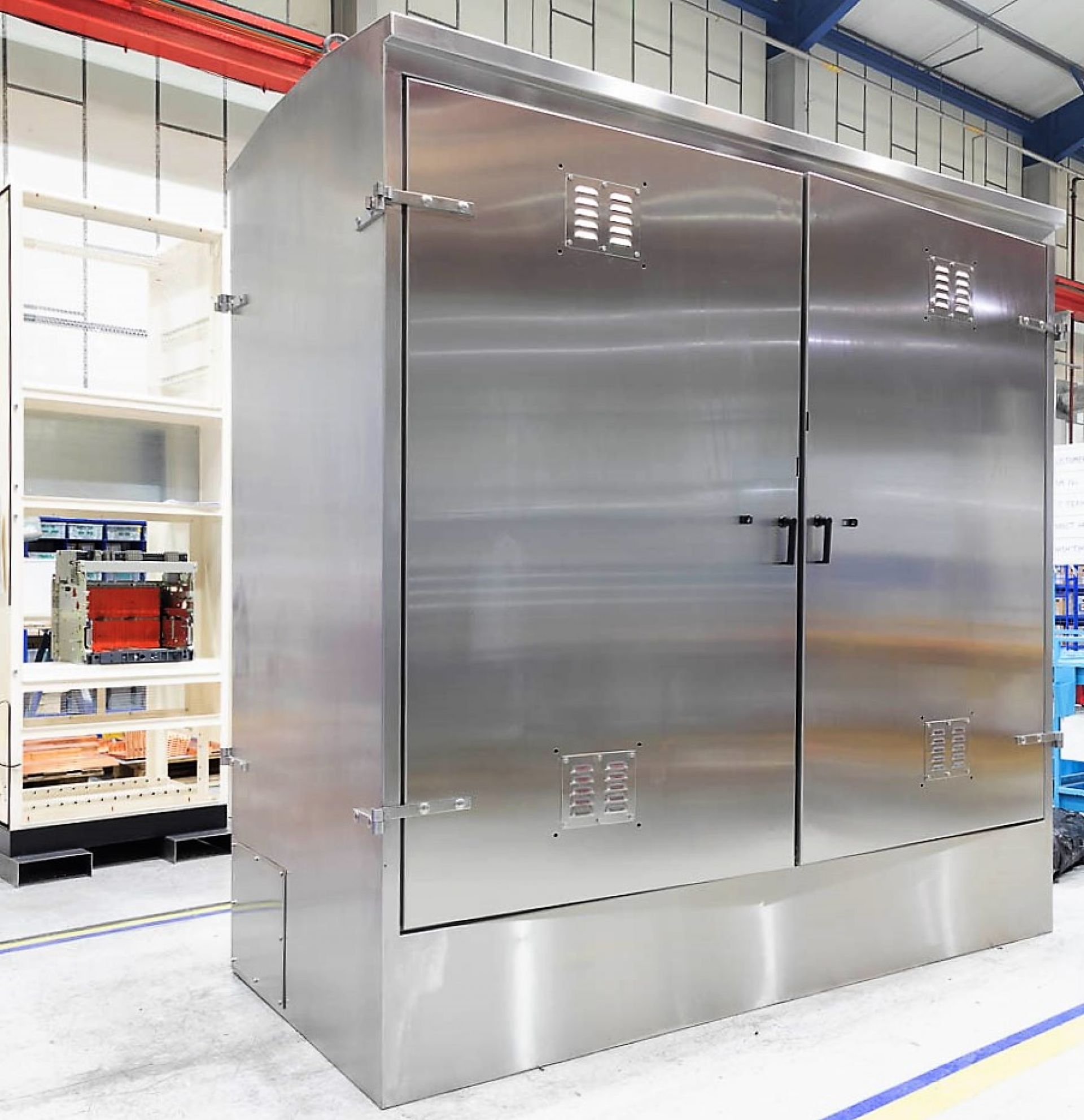
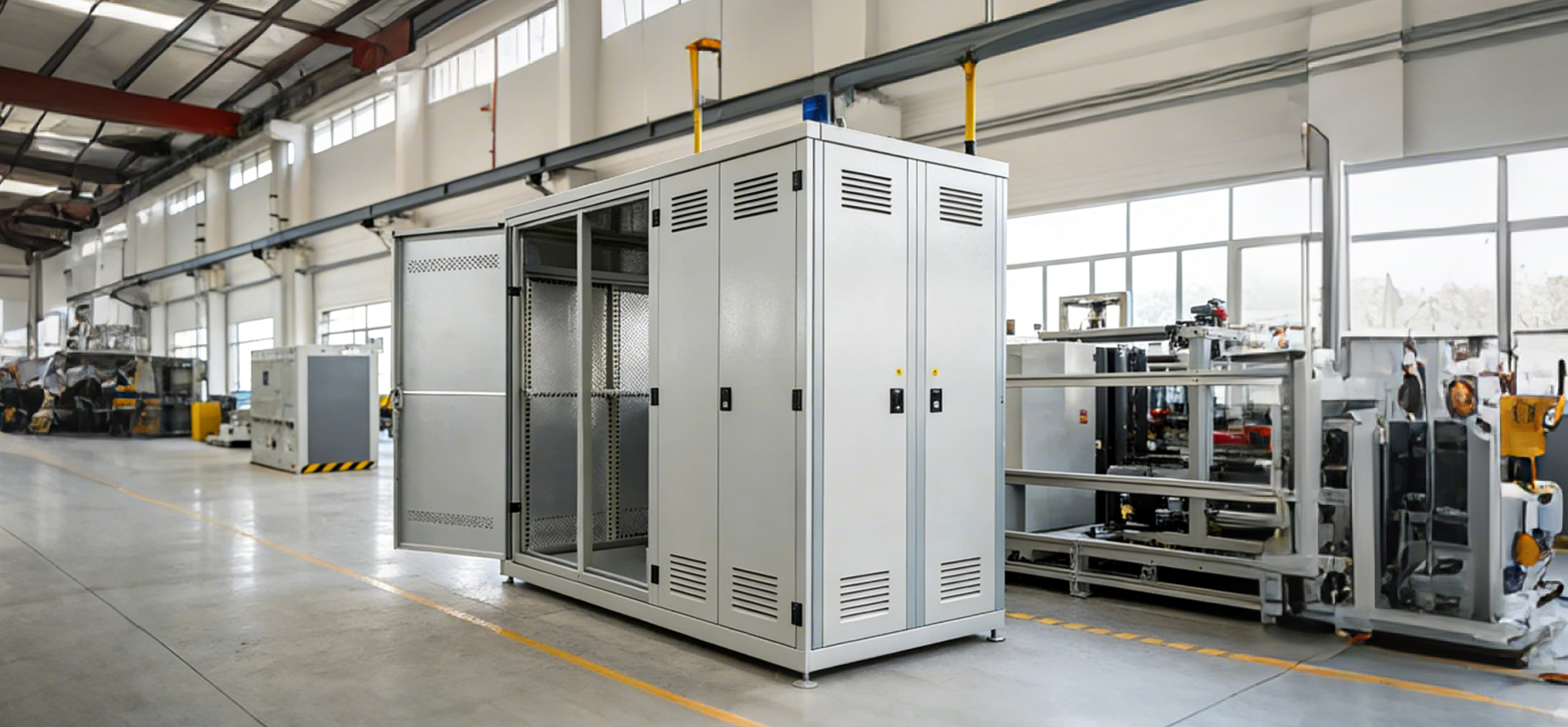
In industrial equipment, metal housings serve as protective and structural elements that support internal systems, assemblies, and operating interfaces.
These housings are typically designed around specific equipment layouts, requiring defined mounting points, consistent geometry, and reliable enclosure integrity.
Industrial equipment housings are commonly used in production, testing, or processing environments, where fit, protection, and service accessibility directly affect equipment performance and maintenance efficiency.
Key Manufacturing Challenges
Fit between housing and internal assemblies
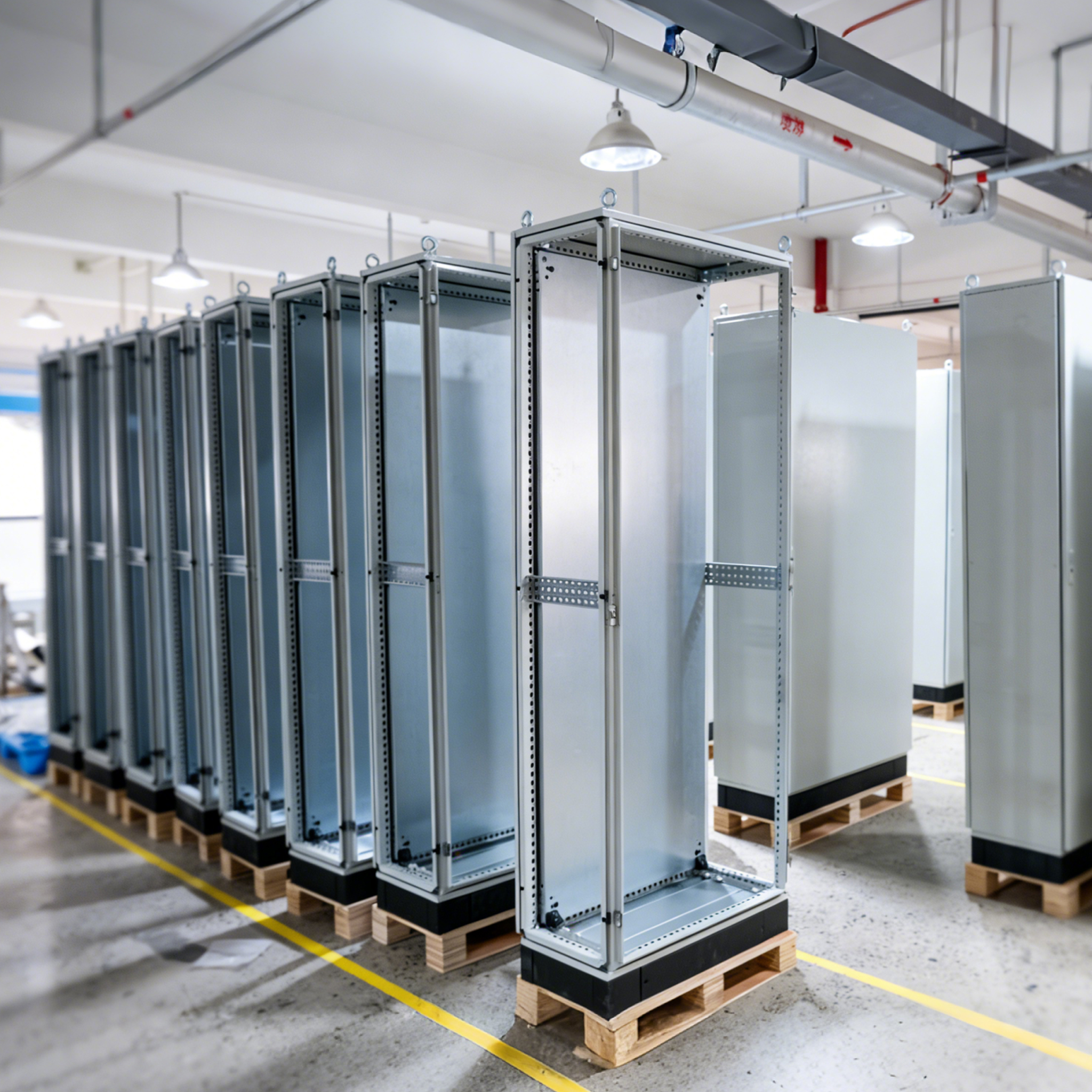
Industrial equipment housings are typically built around internal frames, modules, or assemblies. Dimensional accuracy is required to ensure proper fit without forcing adjustments during installation.
Structural rigidity and enclosure integrity
Housings must maintain sufficient stiffness to protect internal components and support long-term operation, especially when equipment is subject to vibration or repeated use.
Access for assembly and maintenance
Openings, doors, and removable panels must be positioned to allow efficient assembly and future maintenance, without compromising enclosure strength or protection.
Protection against operating environments
Depending on application, housings may need to protect internal systems from dust, moisture, or mechanical impact, requiring consistent panel alignment and enclosure integrity.
Consistency across production batches
For equipment produced in multiple units, maintaining consistent geometry and interfaces across housings is critical to ensure predictable assembly and installation.
Our Approach
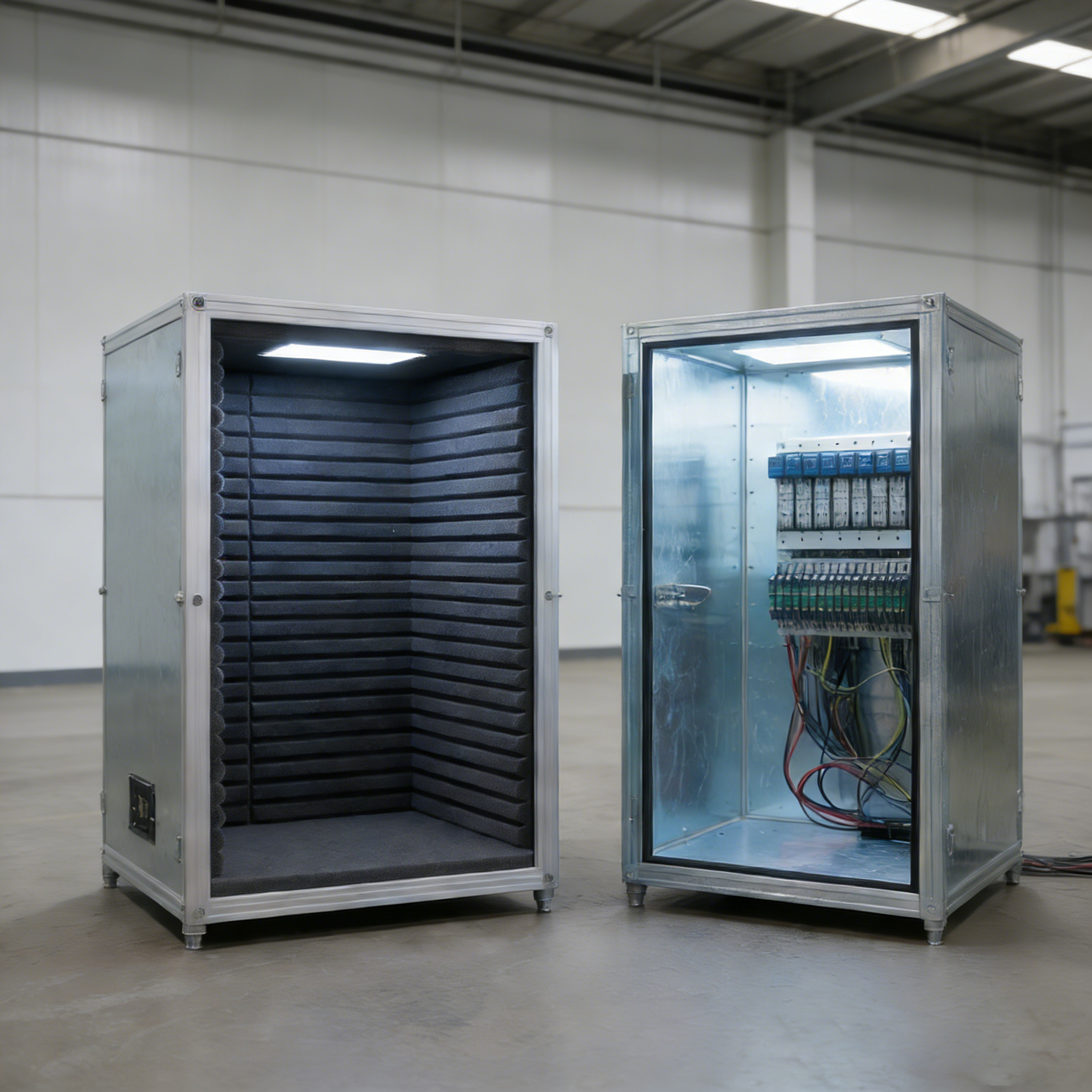
Our approach focuses on aligning housing geometry with internal assemblies and equipment layouts from the early stages of fabrication.
Mounting interfaces, panel relationships, and access points are reviewed together to support reliable assembly, protection, and long-term use.
During manufacturing, enclosure rigidity, dimensional stability, and repeatability are considered to reduce fit issues and support consistent performance across production batches.