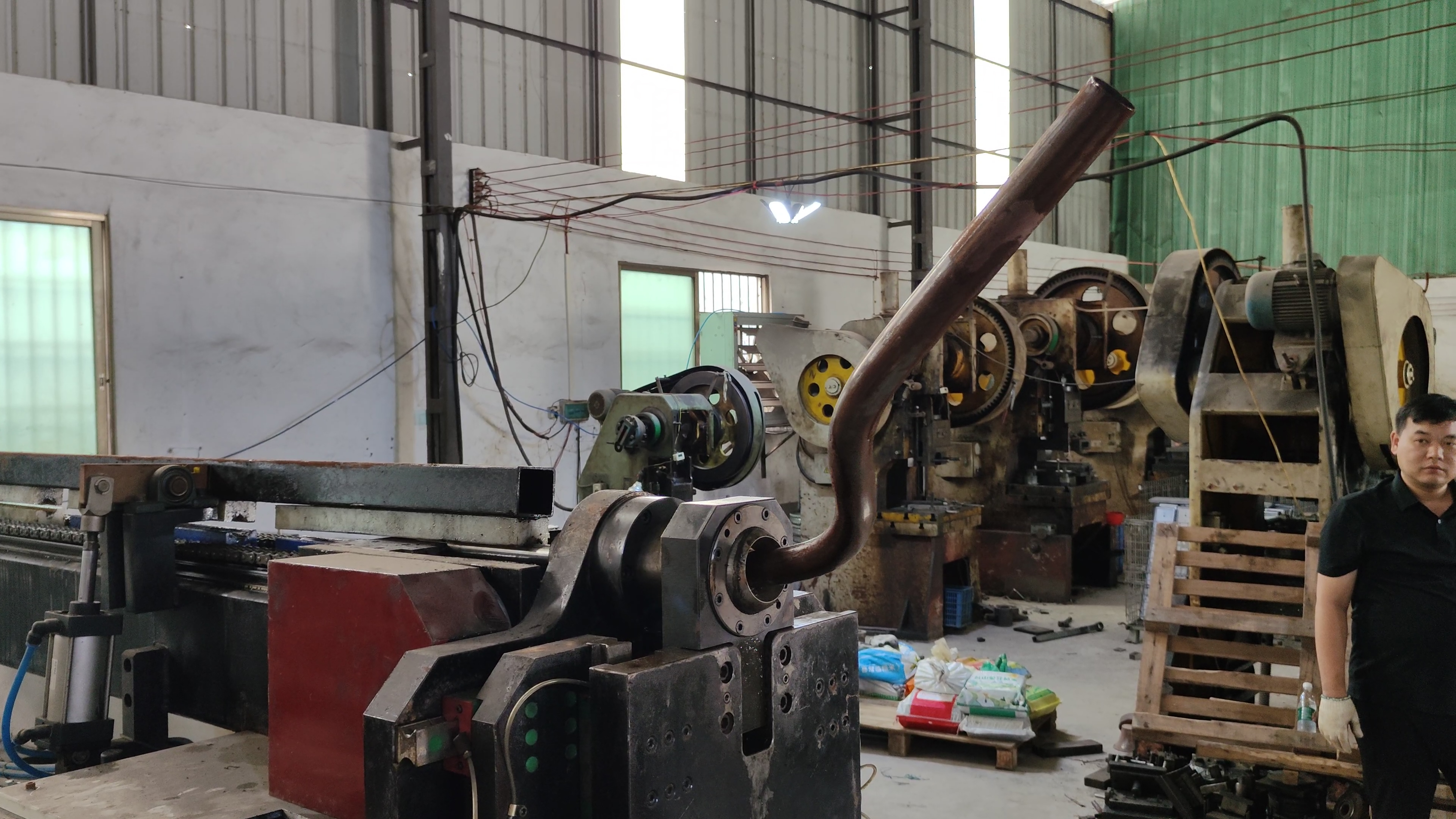
How to Choose the Right Bending Process
for Your Product
Selecting the right tube bending process is essential to ensuring product quality, production efficiency, and manufacturing cost control. Both traditional 3D bending and 3D free-form bending are advanced methods, but they are suited for different types of tube geometries and production requirements.
① Traditional 3D Tube Bending
—— Best for Standard Radii & High Repeatability
Use this method if your product has:
- Fixed bend radii that match standard tooling
- High-volume production requirements
- Multiple bends arranged in a stable sequence
- Tight dimensional tolerances
- Straightforward geometries without variable curves
This method offers fast cycle time, excellent consistency, and the lowest mass-production cost.
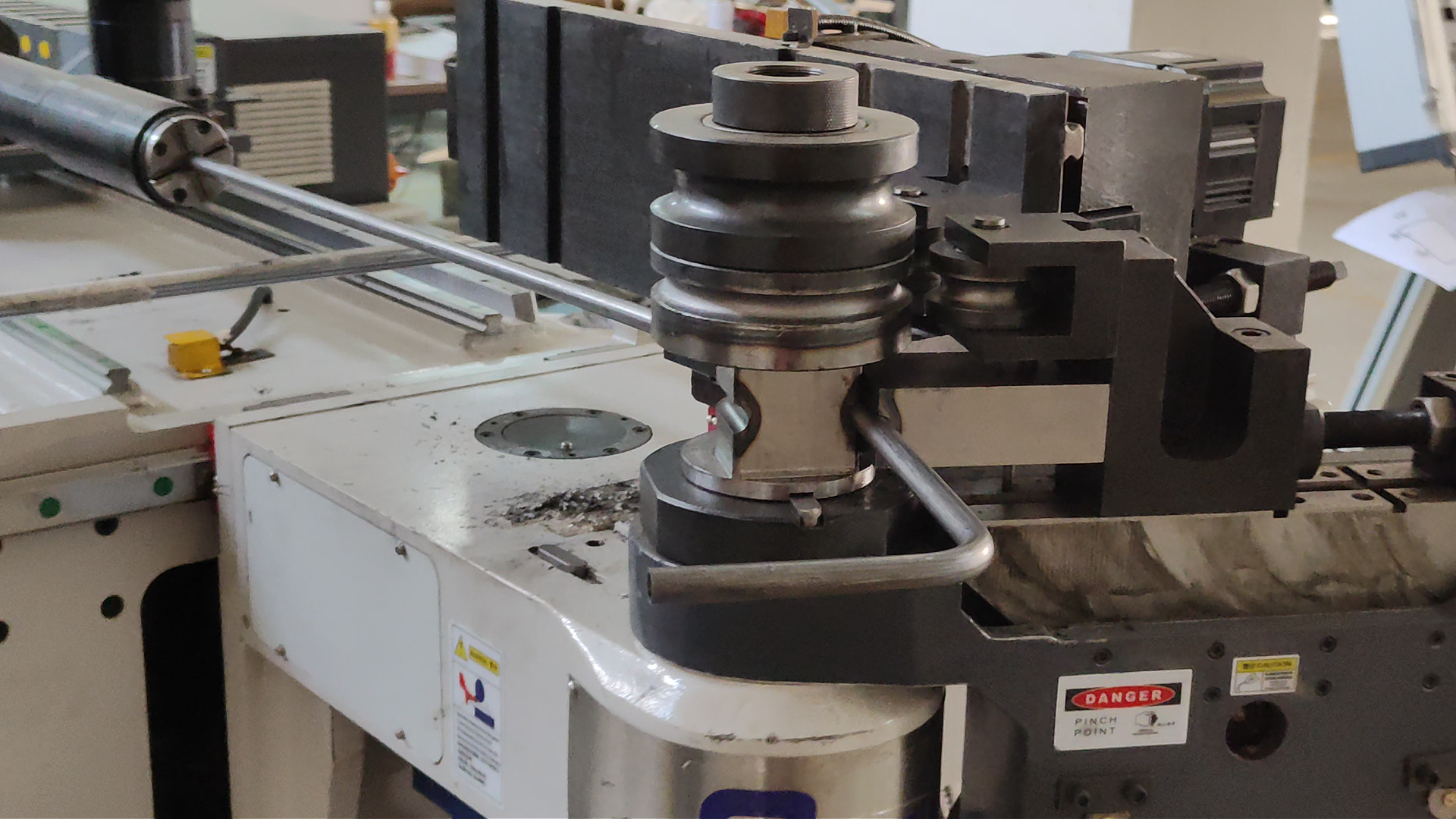
② 3D Free-Form Tube Bending
—— Best for Flexibility & Creative Geometry
Choose free-form bending when your product requires:
- Variable bend radii in one tube
- Smooth transitions and flowing shapes
- Rapid design changes or prototyping
- Lower tooling cost and faster development
- Complex curvature that traditional tooling cannot achieve
This method is ideal for artistic curves, engineering R&D, multi-version designs, and low-to-medium-volume production.