Industry Context
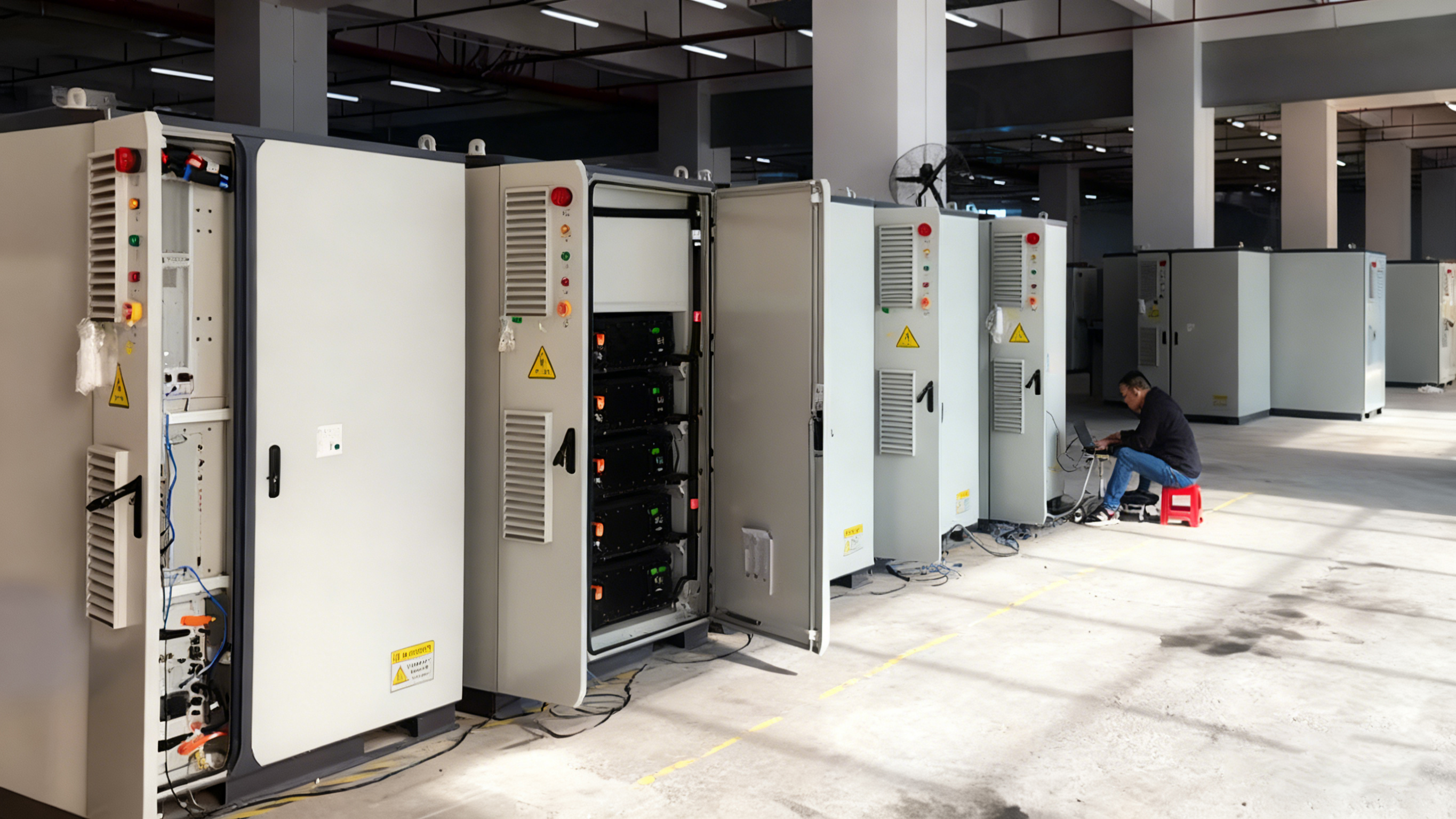
In energy storage systems, metal structures are primarily used to support, protect, and organize internal components within cabinets and enclosures.
These structures are typically required to maintain dimensional stability across large assemblies, support repeated installation and maintenance, and accommodate ventilation, mounting interfaces, and cable routing.
Depending on application scenarios, energy storage equipment may be deployed indoors, outdoors, or in industrial environments, placing additional demands on structural design, surface durability, and assembly accuracy.
Key Manufacturing Challenges
Large cabinet dimensional consistency
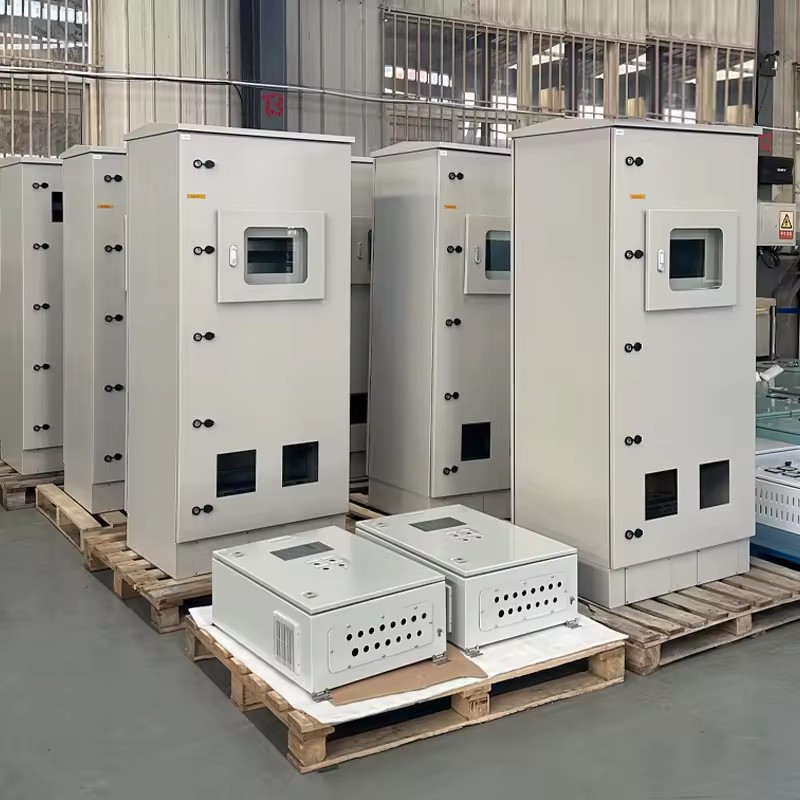
Energy storage cabinets are often large and assembled from multiple panels. Maintaining overall dimensional consistency across the full enclosure is critical to ensure proper door alignment, sealing, and on-site installation.
Tolerance accumulation across assemblies
Multiple folded and welded parts must fit together within limited installation space. Small deviations at part level can accumulate and create assembly issues at system level
Structural rigidity versus ventilation requirements
Cabinets typically require ventilation openings for thermal management. Balancing airflow requirements with structural strength is a common challenge in enclosure design and manufacturing.
Surface durability for outdoor and industrial environments
Depending on deployment conditions, surface finishes must withstand corrosion, handling, and long-term exposure without compromising appearance or fit.
Stability during transport and installation
Large enclosures must remain structurally stable during transportation and lifting, while still aligning correctly during final installation.
Our Approach
Our approach focuses on treating structural fabrication, surface finishing, and assembly considerations as a connected process rather than isolated steps.
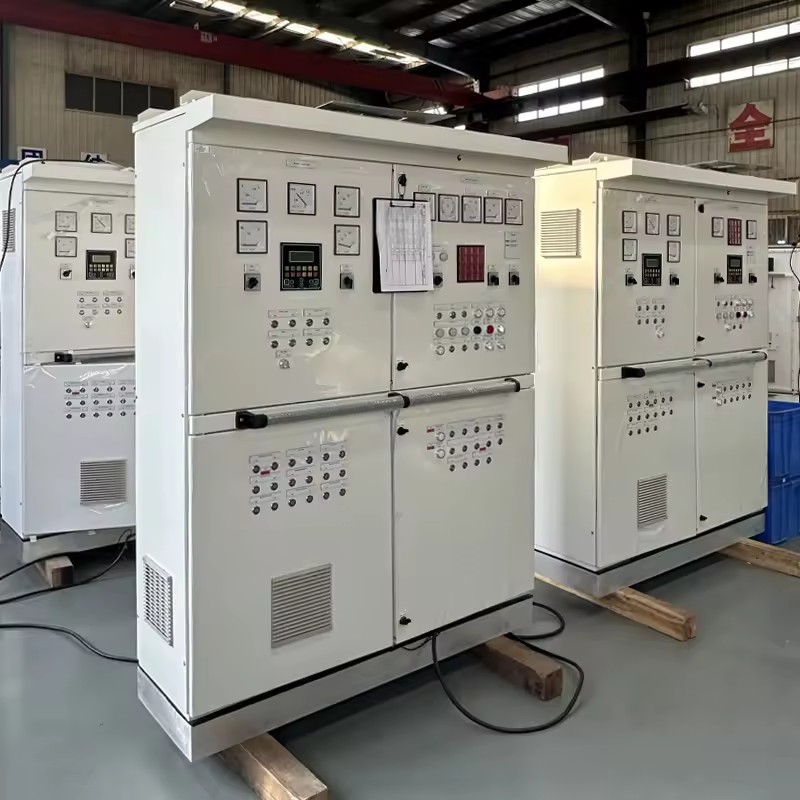
During manufacturing, enclosure geometry, panel relationships, and assembly sequence are considered together to reduce dimensional deviation and improve overall fit.
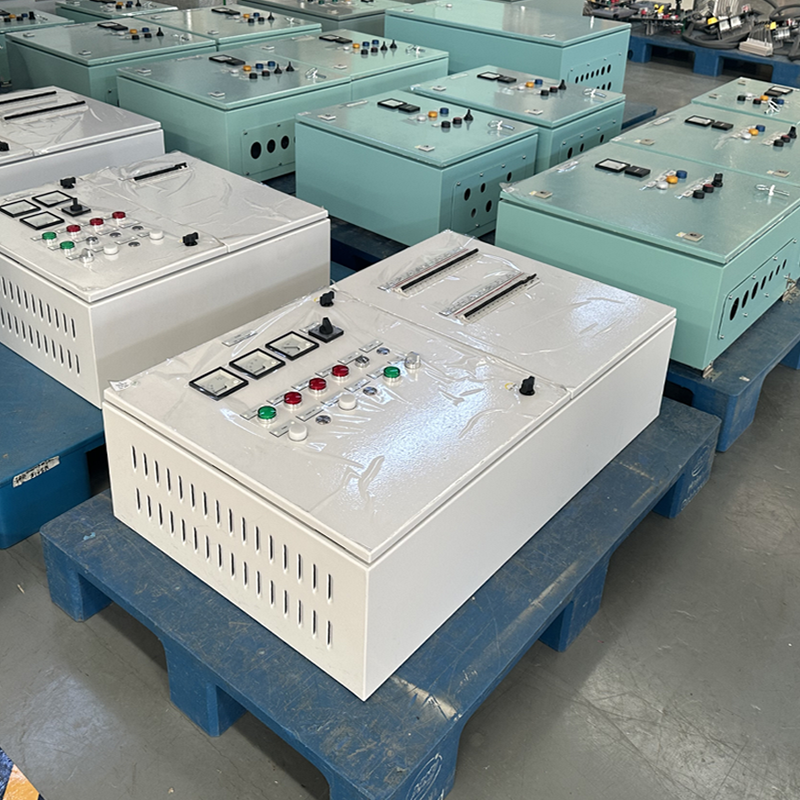
Where applicable, sub-assemblies or pre-checks are used to verify alignment and functionality before final delivery, helping minimize on-site adjustment and installation risk.
Scope & Boundaries
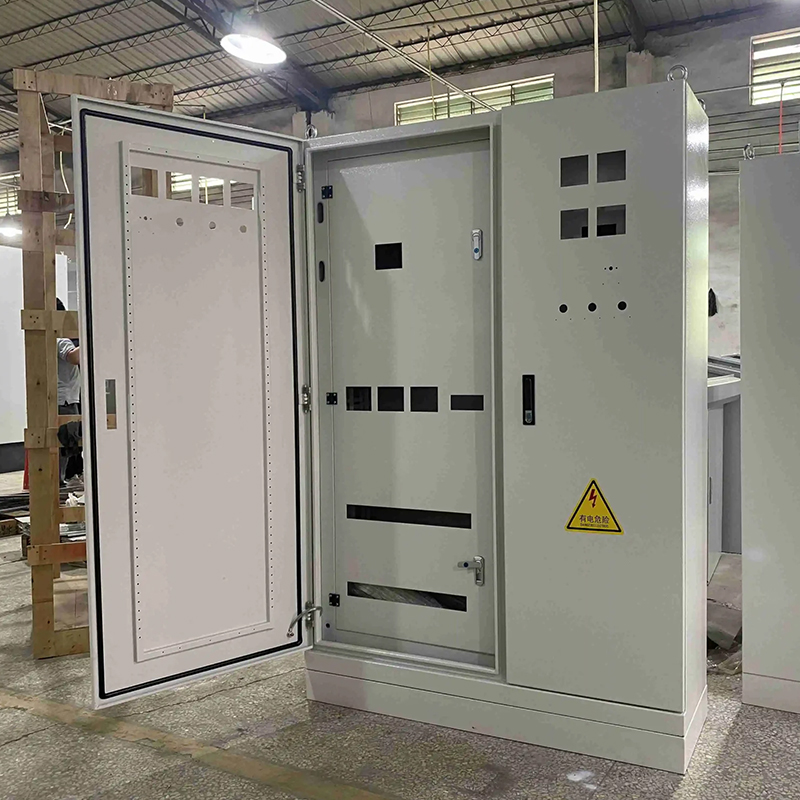
Our work in energy storage equipment focuses on structural metal components that form cabinets, enclosures, and supporting assemblies.
Typical scope includes metal enclosures, structural frames, mounting panels, and related sub-assemblies manufactured according to customer drawings and specifications.
We do not cover battery cells, electrical systems, or energy management integration, and work strictly within the defined mechanical and structural scope of each project.